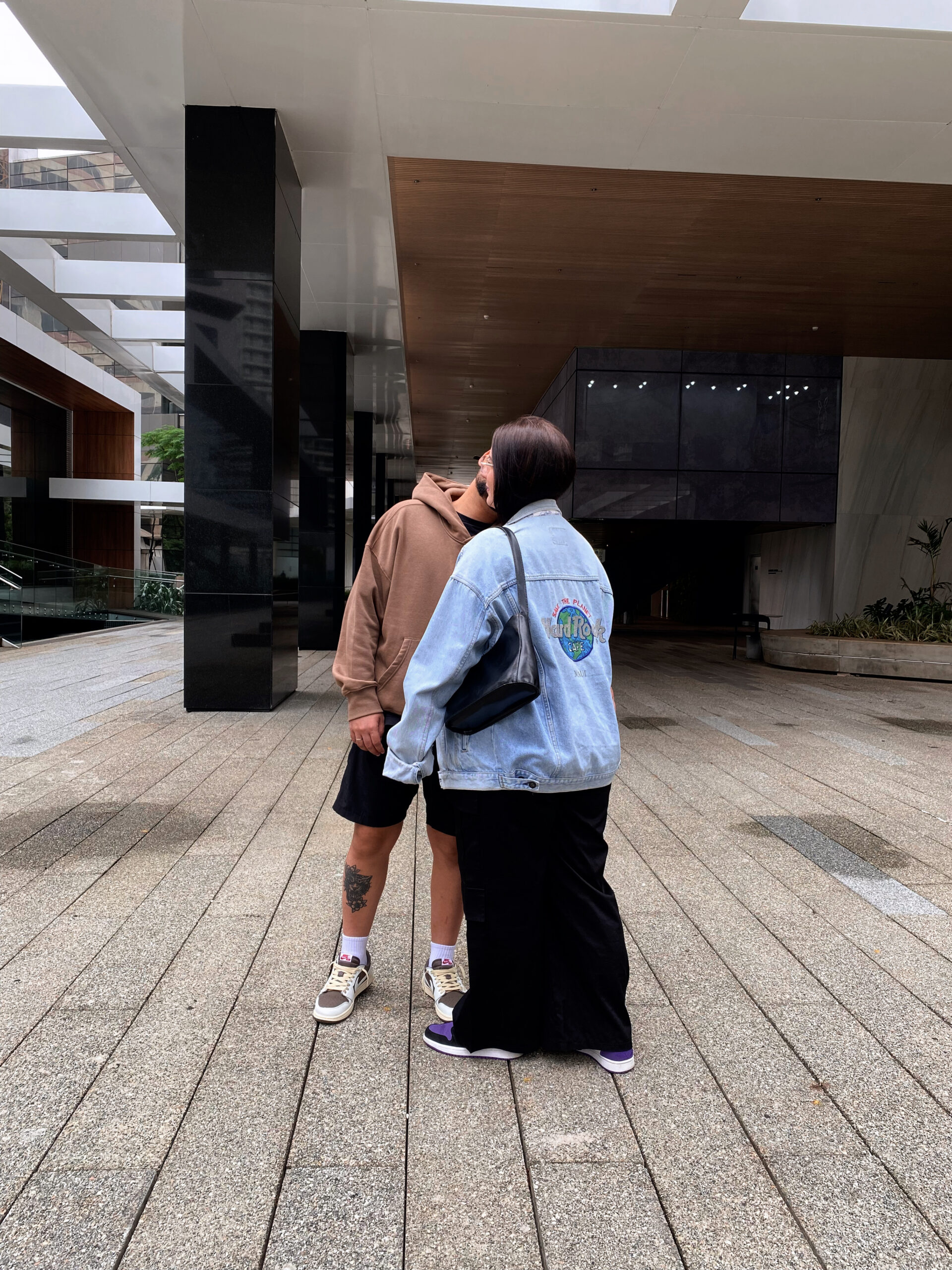

Relationships can bring up emotions we do not expect. A small disagreement can suddenly feel overwhelming. A partner needing space might trigger fear of abandonment. Even normal relationship stress can feel much bigger than the situation itself.
This often happens when current experiences activate emotional wounds from the past. Old patterns from childhood, previous relationships, or earlier life experiences can resurface in ways that affect how we respond to our partner.
Understanding why these reactions happen is an important step toward building healthier relationships. If these patterns are creating conflict or emotional distance, couples therapy can help partners better understand each other and learn healthier ways to respond during difficult moments.
Below are some common ways past experiences show up in relationships and how to begin working through them.
Why Old Wounds Show Up in Relationships
Close relationships tend to activate deeper emotional experiences. When we care about someone, we naturally become more vulnerable. This vulnerability can bring unresolved feelings to the surface.
For example, someone who experienced inconsistency growing up may feel anxious when a partner becomes less available. Someone who was frequently criticized may feel highly sensitive to feedback or disagreement.
These reactions are rarely intentional. Often they are automatic emotional responses shaped by earlier experiences.
Many people struggle to separate present relationship issues from past emotional patterns. Learning to recognize how insecurities can influence the way we interpret relationship dynamics can help create more clarity when conflict arises.
When Triggers Feel Bigger Than the Situation
When old wounds are activated, reactions can feel intense and confusing. A situation that may seem small to one partner can feel deeply personal to the other.
For example:
- A delayed text may trigger fears of abandonment
- A disagreement may feel like rejection
- A partner setting boundaries may feel like emotional distance
These reactions often happen quickly and automatically. Our brains are wired to protect us from emotional pain, especially when experiences remind us of earlier hurt.
Research explains that when relationships become emotionally close, our attachment system becomes more sensitive to signs of rejection or conflict. People who have experienced past hurt may react more strongly to these signals, even when the current situation is relatively small.
Understanding this connection can help people respond with curiosity instead of immediately assuming the relationship itself is the problem.
How Triggers Affect Communication
When past wounds are activated, communication can quickly break down. Emotional reactions may lead to defensiveness, withdrawal, or escalating conflict.
You might notice patterns like:
- Avoiding difficult conversations
- Becoming overly reactive during disagreements
- Seeking constant reassurance
- Pulling away emotionally to protect yourself
These responses often develop as ways to cope with emotional pain. While they may have helped in earlier experiences, they can create misunderstanding in adult relationships.
When couples begin to understand these patterns, it becomes easier to approach conflict with empathy rather than blame.
When Past Experiences Affect Self-Worth
Old wounds do not only affect how we react to our partner. They can also shape how we see ourselves within relationships.
Someone who has experienced rejection, criticism, or emotional neglect may begin to believe they are not deserving of stability or respect in relationships. Over time, these beliefs can influence the kinds of partners they choose or what behavior they tolerate.
Developing a stronger sense of self-worth can shift these patterns. Learning how to recognize your value and stop settling for unhealthy relationship dynamics can help people move toward relationships that feel more supportive and secure.
When people begin to trust their own worth, they are often better able to communicate their needs and establish healthier boundaries.
Learning to Pause When You Feel Triggered
When emotional triggers appear, the goal is not to eliminate the feeling immediately. Instead, the goal is to create enough awareness to respond thoughtfully rather than reacting automatically.
Helpful steps include:
Pause before reacting
Taking a moment to slow down can prevent emotions from escalating the situation.
Identify the emotion
Ask yourself what you are actually feeling. Is it fear, sadness, shame, or insecurity?
Reflect on the source
Sometimes the intensity of the reaction is connected to earlier experiences rather than the present moment.
Communicate openly
Sharing your feelings calmly can help your partner understand your experience and respond with empathy.
Over time, these small shifts can make a meaningful difference in how couples navigate conflict and emotional triggers.
Healing Old Wounds Within a Relationship
Healing past wounds does not mean ignoring them or pretending they do not exist. Instead, it involves understanding where those feelings come from and learning new ways to respond.
For many couples, working through these moments can actually strengthen the relationship. When partners learn to support each other during vulnerable moments, trust and emotional safety can grow.
Learning how couples counseling can strengthen communication after conflict can help partners develop tools for navigating difficult emotions while maintaining connection.
Relationships do not have to be perfect to be healthy. What matters most is how partners respond when challenges arise.
When Therapy Can Help
Sometimes emotional triggers feel overwhelming to navigate alone. When past wounds repeatedly affect communication, trust, or emotional safety, therapy can provide support.
Working with a therapist can help individuals:
- Understand how past experiences influence current relationships
- Recognize emotional triggers and patterns
- Develop healthier communication skills
- Build stronger emotional security within relationships
For couples, therapy can create a space where both partners feel heard and understood. Couples counseling can help partners explore these patterns together and develop tools for responding with empathy rather than defensiveness.
Individual therapy can also help people process past experiences and develop stronger emotional awareness. Individual therapy provides a supportive environment to explore relationship patterns and build healthier responses moving forward.
THERAPY SERVICES FOR DATING AND RELATIONSHIPS WE OFFER IN MANHATTAN & BROOKLYN, NEW YORK
If the journey of being a happy, single person feels challenging, seeking professional support can be a valuable resource. Therapists are trained to help individuals navigate their emotions, explore personal goals, and develop strategies for finding fulfillment. Through therapy, you can gain insights into patterns of thinking and behavior, identify areas for growth and receive guidance on building a positive and meaningful life.
Our society often prioritizes romantic relationships, but learning how to be happy as a single person is a powerful and transformative journey. It’s a time for self-reflection, personal growth and the cultivation of genuine happiness that comes from within. By embracing solitude, practicing self-love, building meaningful connections and setting personal goals, you can navigate the single life with confidence. Remember that being single is not a state of lack but an opportunity for fulfillment. Embrace your journey, focus on your well-being and fall in love with yourself!
- Submit a Contact Form or Email Us at hello@manhattanwellness.org
- Learn More About Our Team of Female Therapists and Our Areas of Expertise
- Let’s Talk About How We Can Help You Feel Empowered & Ready To Take The Next Step.
OTHER THERAPY SERVICES OFFERED IN MANHATTAN, BROOKLYN, & THROUGHOUT NEW YORK
We offer a diverse range of individual counseling services and couples therapy. Our dedicated therapists can help with stress management, symptoms of depression, self-esteem challenges, and college student counseling. Additionally, we specialize in offering support for addressing body image concerns, and navigating the unique challenges faced by women, among other aspects. If you need support, reach out to connect with a therapist.