
Love Island is entertaining for a reason. The drama, chemistry, re-couplings, grand gestures, and emotional conversations make it easy to get invested. Viewers, watch people form connections, quickly, question their relationships, compare themselves to others, and decide whether what they have is real enough to last.
But while shows like Love Island can be fun to watch, they can also shape the way we think about dating in real life. Reality TV often shows relationships in a high-pressure environment where attraction, jealousy, uncertainty, and competition are amplified. This can make dating seem like it should be fast, intense, dramatic, and constantly exciting. In real life, healthy relationships often look much quieter. They are built through consistency, communication, emotional safety, and trust over time. Therapy for dating and relationships can help you better understand your dating expectations, recognize unhealthy patterns, and build relationships that feel more grounded and authentic.
Reality TV Can Make Dating Feel Like a Performance
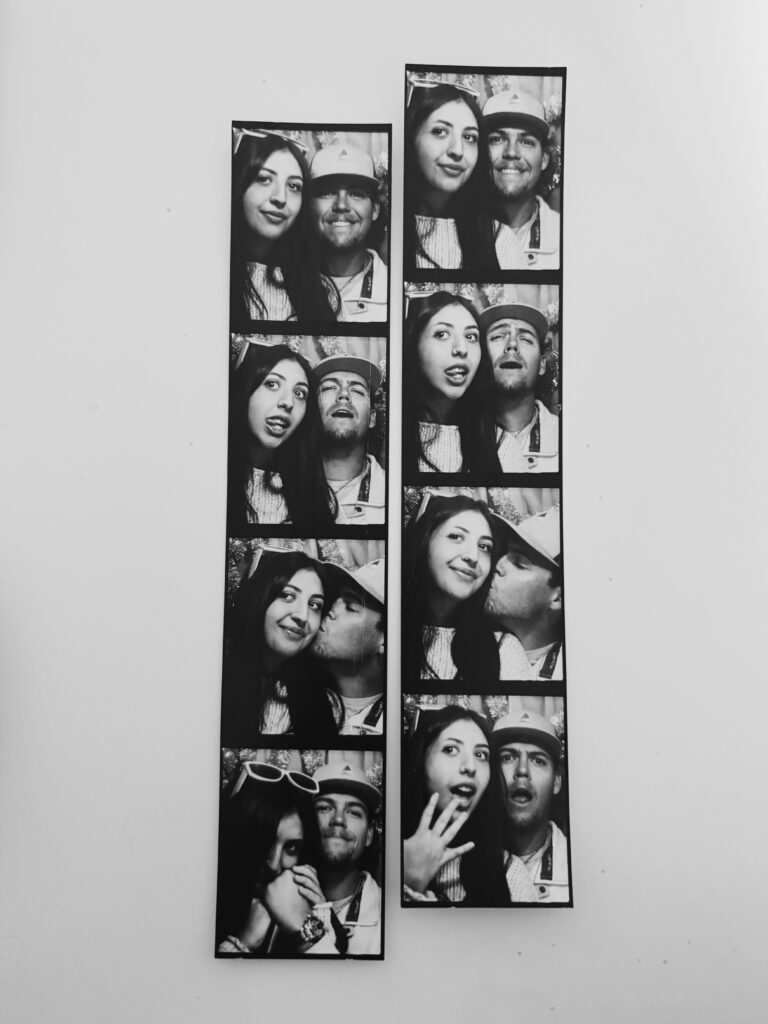
One of the biggest ways Love Island shapes relationship expectations is by making dating feel like something that is constantly being watched, evaluated, and judged. On the show, couples are not only figuring out how they feel about each other. They are also thinking about how they are being perceived by other contestants and viewers. In real life, this can mirror the pressure people feel to make their dating life look exciting, successful, or impressive from the outside.
You may start wondering whether your relationship looks passionate enough, whether your dating life is interesting enough, or whether your connection would seem boring compared to what you see on the screen.
Reality dating programs can influence how viewers think about dating and relationships. When we repeatedly watch relationships unfold through drama, competition, and public validation, it can become harder to separate entertainment from realistic expectations. Healthy relationships do not need to be entertaining to outsiders. They need to feel safe, respectful, and meaningful to the people in them.
Fast Chemistry Is Not the Same as Emotional Safety
Love Island often highlights instant chemistry. Someone walks in, heads turn, sparks fly, and suddenly the connection feels intense. While attraction matters, real relationships need more than chemistry to last.
In everyday dating, it can be easy to confuse intensity with compatibility. If someone makes you nervous, excited, or emotionally activated, you may assume that means the connection is special. But sometimes, intensity comes from uncertainty, insecurity, or the feeling of needing to prove yourself.
Healthy love tends to feel steady, respectful, and emotionally safe. Fear based love may feel exciting at first, but it can also involve anxiety, chasing, jealousy, or a constant fear of losing the other person. Love Island can make a dramatic attraction look romantic, but in real life, emotional safety is just as important as spark. A relationship can have chemistry and still not be healthy. A relationship can also feel calm and still be deeply meaningful.
Jealousy, Exploring, and Testing Are Not Proof of Love
A common theme in reality dating shows is the idea that relationships need to be tested. In Love Island, this concept is called exploring. New people enter, loyalty is questioned, jealousy comes up, and couples are expected to prove how much they care.
While conflict and uncertainty can happen in real relationships, constant testing, and exploring is not the foundation of healthy love. In real life, feeling like you have to compete for someone’s attention can be exhausting. It may create anxiety rather than security. Love Island can make jealousy seem like a sign that someone cares deeply. But jealousy is not automatically proof of love. Sometimes, jealousy is a signal that there is insecurity, unclear communication, or a lack of trust.
Research discussing Love Island and relationship education suggest that reality TV can shape how young people understand healthy relationships. This matters because we as viewers can internalize the idea that drama, emotional highs and lows, or competition are normal parts of romance. In healthy relationships, you should not have to constantly prove your worth or fight to be chosen. Trust grows through consistency, honesty, and mutual respect.
Love Island Can Create Unrealistic Timelines
On Love Island, relationships move quickly. People couple up, become emotionally invested, question, commitment, and make big decisions in a short amount of time. This pace makes for good television, but it is not always realistic for real life dating. In everyday relationships, it can take time to understand someone’s values, communication style, emotional availability, and long-term compatibility. A slow building connection does not mean something is wrong. Sometimes, it means the relationship is developing in a more grounded way.
When dating expectations are shaped by reality TV, you may feel disappointed if a relationship does not immediately feel intense. You may wonder why someone is not making grand gestures, why the connection is not moving faster, or why attraction changes after the beginning. Attraction is not meant to feel exactly the same at every stage. Real connection often shifts as people become more comfortable, vulnerable, and familiar with each other. A relationship does not need constant drama to be real. Sometimes, steadiness is assigned that emotional safety is growing.
Comparing Your Dating Life to Reality TV Can Affect Your Standards

Reality TV can also make it easy to compare your dating life to what you see on the screen. You may start expecting constant excitement, dramatic declarations, perfect dates, or immediate clarity. You may feel like your own dating life is boring, slow, or disappointing by comparison. But reality TV is edited for entertainment. Love Island is designed to highlight the most emotional, dramatic, and visually engaging moments. This is why we as the viewers get to vote on things that happen in the villa, and why they give the Islanders hard challenges on mental health like “movie night”.
Real dating includes awkward conversations, quiet nights, uncertainty, busy schedules, and gradual trust building. It is not always glamorous, and it does not need to be.
The more you can compare your dating life to a curated version of romance and excitement, the harder it can be to notice what actually feels good for you. You may overlook a healthy connection because it feels too calm, or stay attached to an unhealthy one because it feels exciting. This is where it can be helpful to clarify your own dating values. It is really important to understand your patterns, needs, standards, and goals in relationships. Instead of asking yourself: does this look exciting? Try asking: do I feel respected, secure, and like myself with this person?
How To Watch Without Internalizing Everything
You do not have to stop watching Love Island to have healthy dating expectations. The goal is simply to watch with awareness. Remind herself that reality TV is not a relationship blueprint. It is entertainment. The environment is designed to create pressure, emotion, and conflict. Real relationships do not need to follow the same pace or intensity. In the villa, the islanders do not have access to communication with the outside world. This is bound to create heightened emotional states which make for great reality TV, but not a great map for love.
As you watch, notice what comes up for you. Do you find yourself craving more excitement in your dating life? Comparing your relationship to the couples on screen? Romanticizing jealousy or emotional chaos? Feeling like a calm connection is not enough? These reactions can offer helpful insight into your own expectations and insecurity.
Love Island has shaped relationship expectations by making dating look fast, intense, public, and emotionally dramatic. While the show can be fun to watch, it is important to remember that healthy relationships are often built in much quieter ways. Real love does not always look like constant chemistry, grand gestures, or dramatic tests. It can look like consistency, trust, emotional safety, honest communication, and the freedom to be yourself.
If reality TV has made you question what dating should look like, therapy can help you reconnect with what actually feels healthy and aligned for you. With support, you can better understand your patterns, clarify your needs, and build relationships that feel grounded in real connection rather than performance.
THERAPY SERVICES FOR DATING AND RELATIONSHIPS WE OFFER IN MANHATTAN & BROOKLYN, NEW YORK
If the journey of being a happy, single person feels challenging, seeking professional support can be a valuable resource. Therapists are trained to help individuals navigate their emotions, explore personal goals, and develop strategies for finding fulfillment. Through therapy, you can gain insights into patterns of thinking and behavior, identify areas for growth and receive guidance on building a positive and meaningful life.
Our society often prioritizes romantic relationships, but learning how to be happy as a single person is a powerful and transformative journey. It’s a time for self-reflection, personal growth and the cultivation of genuine happiness that comes from within. By embracing solitude, practicing self-love, building meaningful connections and setting personal goals, you can navigate the single life with confidence. Remember that being single is not a state of lack but an opportunity for fulfillment. Embrace your journey, focus on your well-being and fall in love with yourself!
- Submit a Contact Form or Email Us at hello@manhattanwellness.org
- Learn More About Our Team of Female Therapists and Our Areas of Expertise
- Let’s Talk About How We Can Help You Feel Empowered & Ready To Take The Next Step.
OTHER THERAPY SERVICES OFFERED IN MANHATTAN, BROOKLYN, & THROUGHOUT NEW YORK
We offer a diverse range of individual counseling services and couples therapy. Our dedicated therapists can help with stress management, symptoms of depression, self-esteem challenges, and college student counseling. Additionally, we specialize in offering support for addressing body image concerns, and navigating the unique challenges faced by women, among other aspects. If you need support, reach out to connect with a therapist.