mw editorial
Why Your Attraction to Your Partner Changes Over Time (And Why That’s Normal)
June 30, 2026

Through societal norms and social media, what a relationship “should” look like is constantly being reinforced- often in ways that are unrealistic, idealized, and static. We are shown couples who are perpetually in sync, deeply passionate, and effortlessly connected. Attraction, intimacy, and love are depicted as things that, once found, remain steady and unwavering.
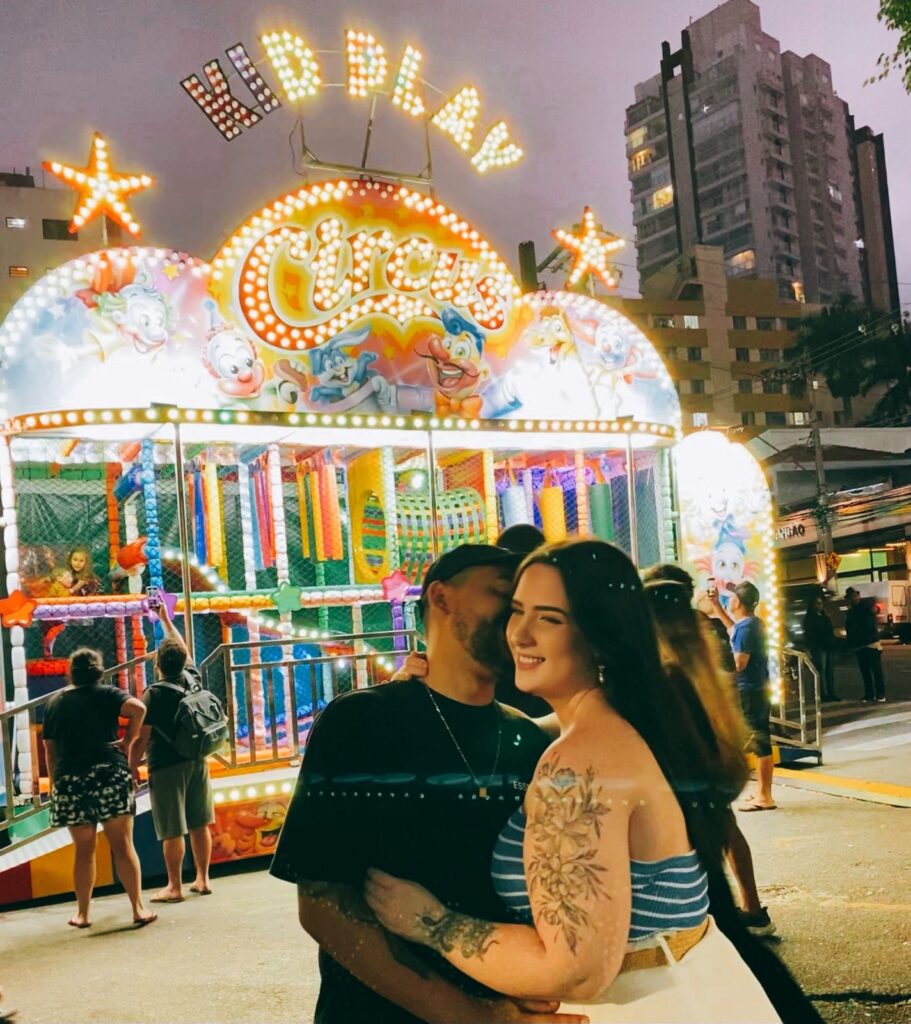
But real relationships don’t work that way.
Attraction is not fixed. It is dynamic, responsive, and deeply connected to both personal growth and the relational context. Over time, it naturally shifts—sometimes subtly, sometimes dramatically—moving from the initial honeymoon stages to long-term commitment, and evolving through life transitions such as career changes, stress, illness, parenthood, and beyond. Experiencing changes in attraction is not just normal; it is inevitable.
Understanding Attraction: More Than Just Chemistry
Attraction is often simplified into “spark” or “chemistry,” but in reality, it is multifaceted. Two primary components are:
- Physical attraction: Desire based on appearance, touch, and sexual chemistry
- Emotional attraction: Connection built through intimacy, vulnerability, trust, and shared experiences
In the beginning of a relationship, both tend to feel heightened. This is often referred to as the honeymoon phase- a period characterized by novelty, excitement, and idealization. Neurochemically, this stage is fueled by dopamine and other reward-based systems, which can create an almost addictive sense of desire and connection. But as the relationship matures, something important happens: novelty decreases, and familiarity increases.
This shift doesn’t mean attraction is fading- it means it is evolving.
The Transition From Passion to Attachment
Early attraction is often driven by intensity. Over time, however, relationships naturally move toward attachment and stability. The qualities that sustain long-term connection- emotional safety, reliability, shared meaning- are different from the qualities that ignite early passion.
This transition can feel confusing. Many people interpret the decrease in intensity as a loss of attraction or a sign that something is wrong. In reality, what’s happening is a shift from passionate love to companionate love.
- Passionate love: Intense, consuming, often fueled by uncertainty and novelty
- Companionate love: Steady, secure, rooted in trust and emotional intimacy
Both forms are valuable- but they feel very different.
Why Attraction Changes Over Time
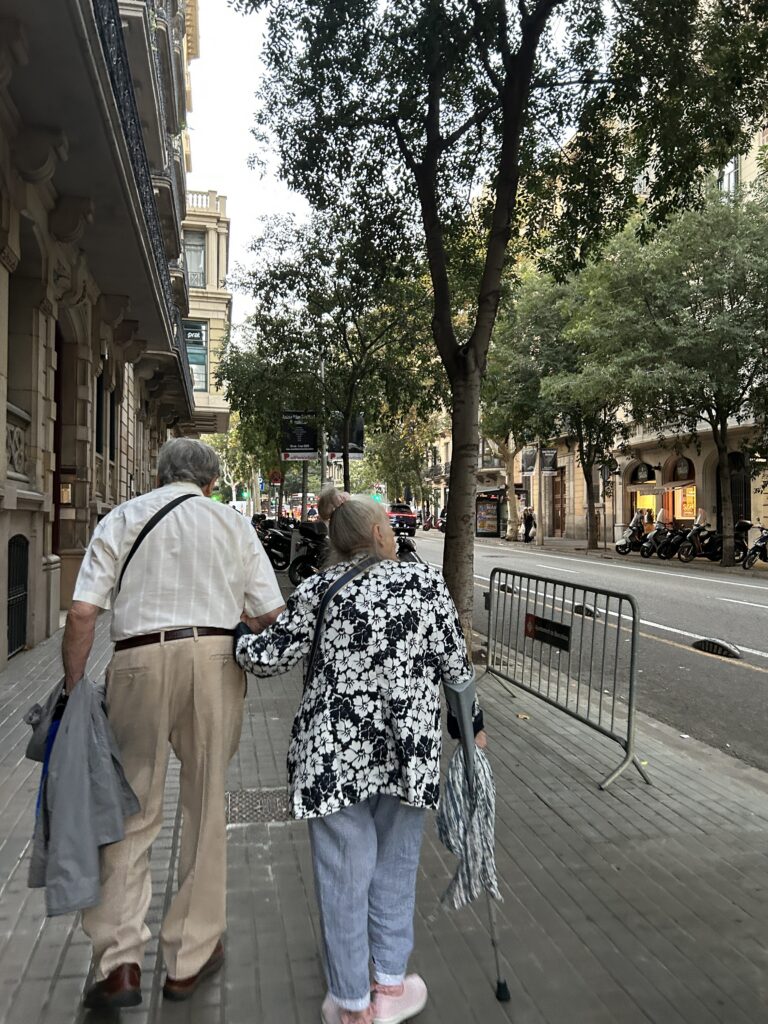
There are several reasons why attraction fluctuates throughout a relationship:
1. Habituation and Familiarity
Humans are wired to adapt. What once felt exciting can become familiar, and familiarity, while comforting, does not always produce the same level of arousal or excitement. This is a psychological process known as habituation.
2. Life Stressors and External Pressures
Work demands, financial stress, family dynamics, health challenges, and caregiving responsibilities all impact how we show up in relationships. During periods of stress, emotional and physical attraction can temporarily decrease- not because love is gone, but because bandwidth is limited.
3. Individual Growth and Identity Shifts
People change over time. Values evolve, priorities shift, and identities develop. As individuals grow, the relationship must adapt as well. Sometimes attraction dips during these transitions as partners renegotiate who they are to each other.
4. Body Changes and Physical Evolution
Bodies change- through aging, illness, lifestyle shifts, pregnancy, and postpartum experiences. These changes can impact both self-perception and mutual attraction. Importantly, attraction is not just about how someone looks-it is also shaped by how safe, confident, and connected someone feels in their body.
5. Emotional Disconnect or Unresolved Conflict
Attraction is deeply tied to emotional closeness. When communication breaks down or resentment builds, emotional distance can lead to decreased physical desire. In these cases, attraction is not gone- it is often blocked.
The Role of Social Media and Unrealistic Expectations
One of the biggest contributors to confusion around changing attraction is comparison. Social media tends to highlight peak moments- romantic gestures, vacations, curated affection- while omitting the complexities of everyday life. This creates a false narrative: that attraction should always feel intense, effortless, and visible. When real relationships inevitably diverge from this narrative, people may question their feelings, their partner, or the relationship itself. But what is often interpreted as a problem is simply the natural progression of intimacy over time.
Attraction Is Not Constant- But It Is Renewable

A crucial reframe: attraction is not something you either have or don’t have. It is something that can be cultivated, disrupted, and rekindled.
In fact, research and clinical experience suggest that long-term attraction is less about maintaining initial intensity and more about intentionally creating conditions for connection.
Some ways this can happen include:
- Reintroducing novelty: Trying new activities, environments, or experiences together
- Prioritizing emotional intimacy: Sharing thoughts, feelings, and vulnerabilities
- Engaging in physical touch: Even non-sexual touch can rebuild connection
- Addressing underlying conflict: Repairing emotional ruptures restores closeness
- Making space for individuality: Maintaining a sense of self can actually enhance attraction
Attraction thrives in a balance of closeness and differentiation- feeling connected, but not fused.
Special Considerations: Major Life Transitions
There are certain phases where changes in attraction are particularly common- and often misunderstood:
- Postpartum and early parenthood: Hormonal shifts, exhaustion, identity changes, and caregiving demands can significantly impact both emotional and physical attraction
- Periods of grief or illness: Emotional energy may be directed toward coping and survival rather than connection
- Career transitions or burnout: Stress and self-worth fluctuations can influence how individuals engage in relationships
In these moments, it’s important to recognize that attraction may be temporarily deprioritized, not permanently lost.
When to Be Curious vs. Concerned
While fluctuations in attraction are normal, it can be helpful to differentiate between natural shifts and signals of deeper disconnection.
It may be worth exploring further if:
- There is a persistent lack of emotional or physical intimacy
- Communication feels consistently strained or avoidant
- Resentment or disconnection remains unresolved over time
- One or both partners feel chronically unseen or unvalued
In these cases, support- whether through open dialogue or therapy- can help uncover what’s beneath the surface.
A More Realistic- and Compassionate– Understanding of Love
Attraction is not a straight line. It ebbs and flows, influenced by both internal and external factors. Expecting it to remain constant sets relationships up for unnecessary doubt and disappointment.
Instead, a more sustainable perspective is this:
Attraction changing over time is not a failure of the relationship- it is a reflection of being human. Long-term love is less about preserving the initial spark and more about learning how to tend to the fire differently in each season. When we move away from rigid expectations and toward curiosity, flexibility, and intentionality, we create space for a deeper, more resilient kind of connection- one that allows attraction not just to survive, but to evolve.
THERAPY SERVICES FOR COUPLES WE OFFER IN MANHATTAN & BROOKLYN, NEW YORK
If your relationship could use some extra support, our team of trained couples therapists are here to help. We understand that every relationship is different and at times can be a bit complicated to navigate on your own. Do you find you and your partner having the same disagreements over and over? Are you and your partner having difficulty communicating effectively? Our therapists are here to guide you and your partner to develop strategies for finding fulfillment in the life you are building together. Through therapy, you can gain insights into patterns of thinking and behavior, identify areas for growth and receive guidance on building a positive and meaningful life together.
- Submit a Contact Form or Email Us at hello@manhattanwellness.org
- Learn More About Our Team of Female Therapists and Our Areas of Expertise
- Let’s Talk About How We Can Help You Feel Empowered & Ready To Take The Next Step.
OTHER THERAPY SERVICES OFFERED IN MANHATTAN, BROOKLYN, & THROUGHOUT NEW YORK
At Manhattan Wellness, our therapists are here to support you in navigating life. This is why we offer a variety of services to ensure you get the support, care, and guidance necessary. The therapy services we offer are Therapy for Maternal Mental Health, Self-Esteem Counseling, and Anxiety Treatment. Along with Dating/Relationship Counseling, Counseling for College Students, and more. Feel as if you are not living the life you deserve? Let’s talk about it.