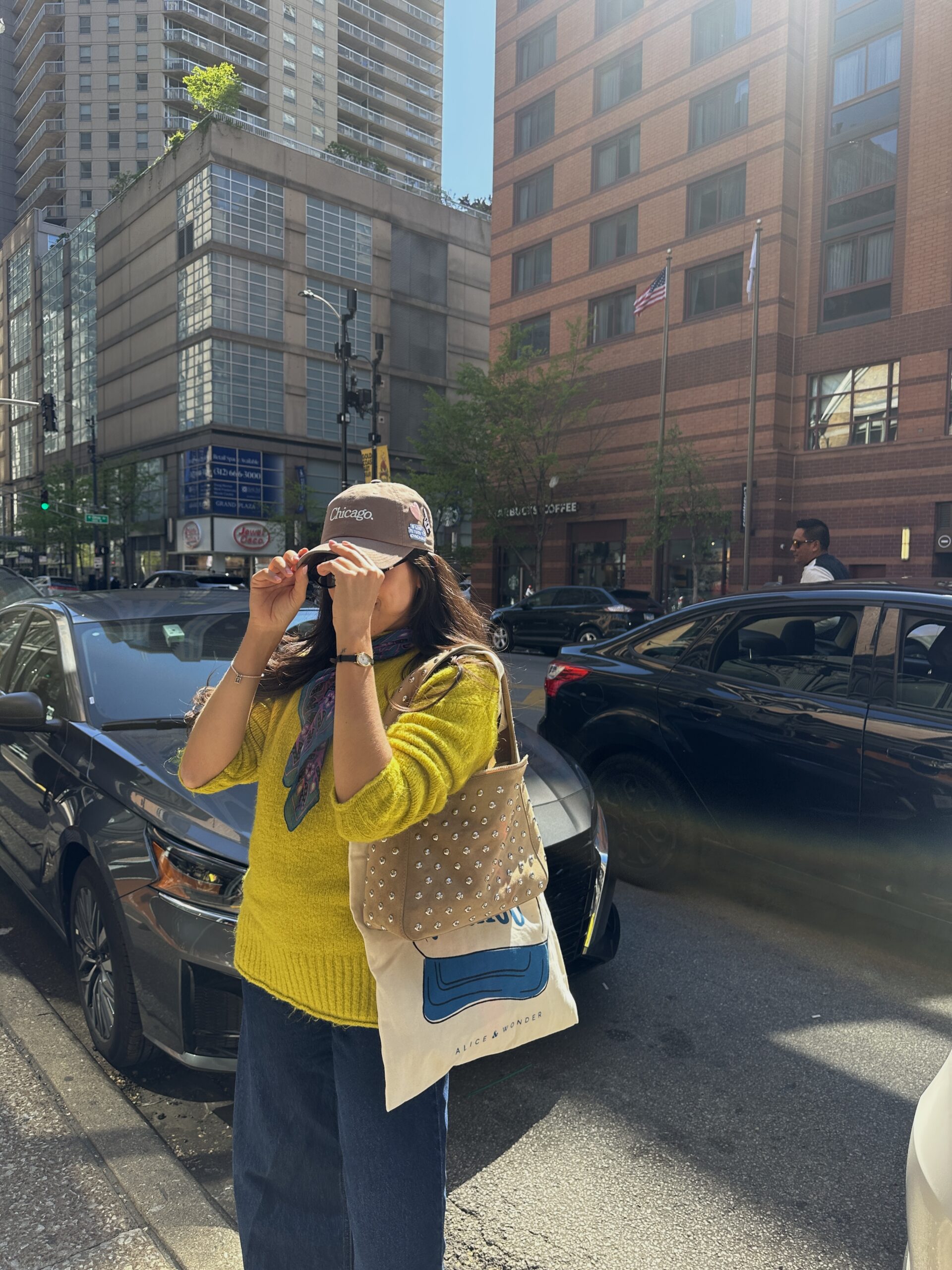
There is a specific kind of tired that hits during a New York City summer.
It is not just “I stayed out too late” tired or “I need another coffee” tired. It is the kind of tired that shows up after a crowded subway ride, a long workday, a last-minute dinner plan, and a 90-degree walk home that somehow feels ten times longer than usual.
NYC summers can be fun, but they can also be a lot. The city is louder, hotter, busier, and somehow your calendar fills up faster than you expected. Even when the plans are exciting, it can start to feel like your mind and body never fully get a break.
That emotional exhaustion does not mean you are ungrateful or bad at enjoying summer. It may just mean your nervous system is asking for more space, quiet, and recovery than the city naturally gives you.

Why Summer in NYC Feels So Intense
Living in New York City means there is always something happening. During the summer, that feeling only becomes more intense. Street festivals, rooftop bars, outdoor concerts, parks filled with people, weekend trips, and endless social plans can make it feel like the city never slows down. While that energy is part of what makes summer in NYC so exciting, it can also leave you feeling emotionally drained before you even realize it.
Our brains and bodies aren’t designed to stay in a constant state of stimulation. Between crowded subway platforms, noisy streets, long commutes, rising temperatures, and packed schedules, your nervous system rarely gets a chance to fully recover. Even enjoyable experiences require energy, and when you’re constantly moving from one activity to the next, it’s easy to feel like you’re always “on.”
Many people assume emotional exhaustion only comes from work, but it can also develop when your days are filled with nonstop decisions, social interactions, and sensory input. According to the American Psychological Association, chronic stress keeps the body’s stress response activated for long periods of time, which can affect both your physical and emotional well-being. Instead of feeling refreshed by the season, you may notice yourself becoming more irritable, overwhelmed, or mentally fatigued.
At Manhattan Wellness, we often see how chronic stress can quietly build over time, especially in a fast-paced city like New York. Through our Stress Management Therapy, clients learn practical strategies to recognize when their nervous system is becoming overloaded, develop healthier coping skills, and create more balance without feeling like they have to step away from the life they enjoy.
The Pressure to Make the Most of Every Weekend

Summer in New York often comes with an unspoken expectation that you should always be doing something. There always seems to be another rooftop happy hour, outdoor movie, street fair, beach trip, concert, or weekend getaway. Scroll through social media, and it can feel like everyone else is making the most of every sunny day while you’re somehow falling behind.
When you’re constantly seeing photos of packed itineraries and picture-perfect weekends, it’s easy to believe that slowing down means you’re missing out. Instead of asking yourself what you actually want to do, you may start making plans simply because it feels like you should. Before long, weekends that were meant to help you recharge become just as busy as your workweek.
For many people, this pressure is tied to perfectionism. We begin to believe there’s a “right” way to spend the summer, and anything less feels like a missed opportunity. As we discuss in our blog Removing the Burden of Perfection, constantly striving for the perfect experience often creates more stress than fulfillment. Rather than enjoying where you are, you’re focused on whether you’re doing enough.
Social comparison only adds to that pressure. It’s important to remember that social media rarely shows the canceled plans, the crowded subway rides, the exhaustion after a long weekend, or the quiet nights spent recovering. You’re often comparing your everyday life to someone else’s highlight reel.
One of the healthiest things you can do is remind yourself that your summer doesn’t have to look like anyone else’s. Some weekends might be filled with plans, while others might be spent reading in the park, visiting a local coffee shop, or staying home to rest. Practicing mindfulness can help shift your attention away from outside expectations and back toward what you genuinely need in the moment. Through Mindfulness-Based Therapy, many people learn how to become more present instead of constantly chasing what comes next.
Why Heat Can Leave You Feeling More Drained Than Usual
Sometimes, it isn’t just your schedule that’s wearing you out, it’s the weather, too.
If you’ve ever stepped off the subway into 90-degree heat and immediately felt exhausted, you’re definitely not alone. During the summer, even everyday tasks like commuting to work, walking a few blocks, or running errands can take more energy than they usually do. By the end of the day, it’s easy to wonder why you feel so drained when you haven’t done anything out of the ordinary.
Heat can make it harder to feel your best both physically and emotionally. When your body is working overtime to stay cool, you may notice yourself feeling more tired, impatient, or overwhelmed by things that normally wouldn’t bother you. According to the American Psychological Association, chronic stress already takes a toll on both the body and mind. Add hot weather, crowded streets, and long summer days into the mix, and it’s understandable that you may have less energy to cope with everyday stressors.
Sleep can also play a role. Many people find it harder to get a good night’s sleep when it’s hot outside, and even a few restless nights can leave you feeling irritable, distracted, or emotionally depleted. The CDC also notes that ongoing stress can affect your mood, energy, concentration, and sleep, making it even more important to find small ways to recharge throughout the week.
The good news is that feeling more worn down during the summer doesn’t necessarily mean something is wrong. Sometimes your mind and body are simply responding to everything they’re being asked to manage. Recognizing that can make it easier to give yourself permission to slow down, take breaks, and practice a little more self-compassion.
Signs You Might Be Emotionally Exhausted This Summer
Emotional exhaustion doesn’t always happen all at once. More often, it builds gradually. You say yes to another plan, push through another busy week, and tell yourself you’ll slow down later. Before you know it, even the things you were looking forward to start feeling like another item on your to-do list.
Unlike physical exhaustion, emotional exhaustion isn’t always fixed by one good night’s sleep. It can leave you feeling mentally drained, disconnected, and like you’re constantly running on empty. According to the Mayo Clinic, emotional exhaustion often develops after experiencing ongoing stress and can show up in both emotional and physical ways.
You might be experiencing emotional exhaustion this summer if you notice yourself:
- Feeling irritable over small inconveniences, like crowded sidewalks or delayed subway trains.
- Canceling plans because you simply don’t have the energy to socialize.
- Feeling guilty whenever you spend a weekend at home instead of going out.
- Having trouble concentrating at work or during everyday tasks.
- Feeling like your weekends aren’t actually helping you recharge.
- Struggling to enjoy activities that you normally look forward to.
- Feeling emotionally “checked out” even though your schedule is full.
If any of these sound familiar, you’re not alone. Emotional exhaustion isn’t a sign that you’re doing something wrong or that you’re “bad” at handling stress. More often, it’s your mind and body letting you know that they’ve been carrying too much for too long.
As we discuss in our blog Emotional Exhaustion vs. Burnout vs. Numbness, emotional exhaustion can sometimes be confused with burnout or even emotional numbness because many of the symptoms overlap. Taking the time to recognize what you’re experiencing is often the first step toward making meaningful changes before stress becomes even harder to manage.
How to Enjoy NYC Without Burning Yourself Out
Living in New York doesn’t mean you have to say yes to every invitation or squeeze every possible activity into your weekend. Sometimes, enjoying the city more actually means doing a little less. Creating a slower, more intentional summer doesn’t mean you’re missing out, it means you’re making room to appreciate the experiences that matter most to you.
Start Your Day Before the City Speeds Up
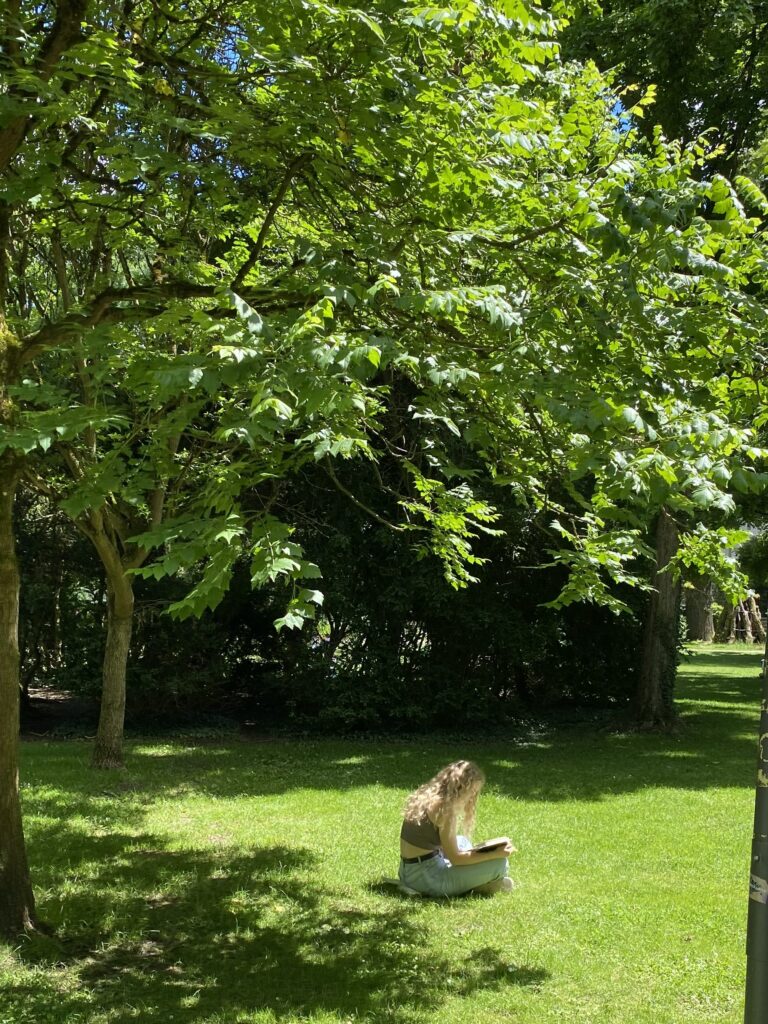
One of the best parts of a New York summer is that the city feels completely different early in the morning. Grab a coffee from your favorite neighborhood café, take a walk through Central Park, or sit outside with a book before the streets become crowded. Starting your day with a slower pace can help you feel more grounded before the busyness begins.
Remember That Every Weekend Doesn’t Have to Be “The Best Weekend Ever”
It’s easy to feel like every Saturday and Sunday should be packed with plans because summer feels short. But not every weekend needs to include a rooftop brunch, a concert, and a day trip. Sometimes one meaningful plan, or even no plans at all, is enough.
If you notice yourself constantly chasing the “perfect” summer, it may be helpful to reflect on whether those expectations are adding more pressure than joy. As we discuss in our blog Removing the Burden of Perfection, letting go of unrealistic expectations often creates more space to actually enjoy the present moment.
Find Small Moments to Recharge
Taking care of yourself doesn’t always require a vacation. It can be as simple as putting your phone away during lunch, sitting in the shade for a few minutes, taking a walk after work, or spending an evening at home without feeling guilty for canceling plans. These small moments of rest help your mind and body recover from the constant stimulation that comes with living in a busy city.
Pay Attention to What You Actually Need
Instead of asking yourself what everyone else is doing this weekend, try asking yourself what would actually leave you feeling rested. Maybe that’s meeting one close friend for dinner instead of attending a large event. Maybe it’s visiting a museum, reading in the park, or spending a quiet evening at home.
Practicing mindfulness can make it easier to notice what you need rather than automatically responding to outside expectations. Through Mindfulness-Based Therapy, many people learn how to slow down, stay present, and make choices that feel aligned with their own well-being
Therapy Can Help If Slowing Down Feels Impossible
If you’re reading this and thinking, “I know I need to slow down, but I don’t know how,” you’re not alone.
For many people, constantly staying busy isn’t just about having a full calendar. It can be connected to anxiety, perfectionism, people-pleasing, or feeling like your worth is tied to how productive you are. Even when you recognize that you’re emotionally exhausted, taking a step back can feel uncomfortable, or even guilt-inducing.
Therapy provides a space to better understand those patterns without judgment. Instead of simply managing the symptoms of stress, therapy can help you explore what’s keeping you in a constant state of busyness and build healthier ways to care for yourself.
At Manhattan Wellness, our therapists work with clients who are navigating anxiety, chronic stress, burnout, perfectionism, and major life transitions every day. Whether you’re feeling overwhelmed by work, struggling to set boundaries, or finding it difficult to truly relax, you don’t have to figure it out on your own. Through Anxiety Therapy, Stress Management Therapy, Mindfulness-Based Therapy, and Therapy for Women, we help clients create more balance while building habits that support long-term emotional well-being.
The goal isn’t to do less just for the sake of it. It’s to create a life where you have enough space to enjoy the things that matter most.
New York City will always have another rooftop to visit, another restaurant to try, another event to attend, and another weekend that promises to be unforgettable. The opportunities aren’t going anywhere.
Your energy, however, is a limited resource.
If this summer has left you feeling more drained than refreshed, it doesn’t mean you’re doing something wrong. It may simply be a sign that your mind and body need more rest than you’ve been giving them. Slowing down isn’t giving up on the experiences that make summer special, it’s making sure you have the energy to actually enjoy them.
This summer, instead of asking yourself how much you can fit into your schedule, try asking a different question: What would leave me feeling more like myself? Sometimes, the answer isn’t another plan. It’s giving yourself permission to pause.
FIND MORE BALANCE WITH THERAPY IN MANHATTAN, NEW YORK
At Manhattan Wellness, we understand that living in New York City can be exciting, inspiring, and full of opportunity, but it can also feel overwhelming at times. Whether you’re navigating anxiety, chronic stress, perfectionism, burnout, or simply finding it difficult to slow down, our therapists are here to help you create a healthier, more balanced relationship with yourself and your daily life.
You deserve to enjoy the city without feeling like you have to keep up with it every second. If you’re ready to feel more present, set healthier boundaries, and prioritize your emotional well-being, we’re here to support you every step of the way.
If you’re interested in beginning therapy:
- Submit a Contact Form or Email Us at hello@manhattanwellness.org
- Learn More About Our Team and Our Areas of Expertise
- Begin Building a More Balanced and Fulfilling Life
OTHER THERAPY SERVICES AT MANHATTAN WELLNESS IN NEW YORK
Our therapists understand that emotional exhaustion can stem from many different experiences, and everyone’s needs are unique. That’s why we offer a variety of therapy services designed to support you through life’s challenges while helping you build healthier coping strategies and lasting emotional wellness.
In addition to Stress Management Therapy, we also offer Anxiety Therapy, Mindfulness-Based Therapy, Therapy for Women, and Therapy for College Students. Whether you’re navigating a major life transition, feeling overwhelmed by the pace of city life, or looking for healthier ways to manage stress, we’re here to help you feel more grounded and supported.
If you’re feeling like you’re constantly running on empty, let’s talk about it.