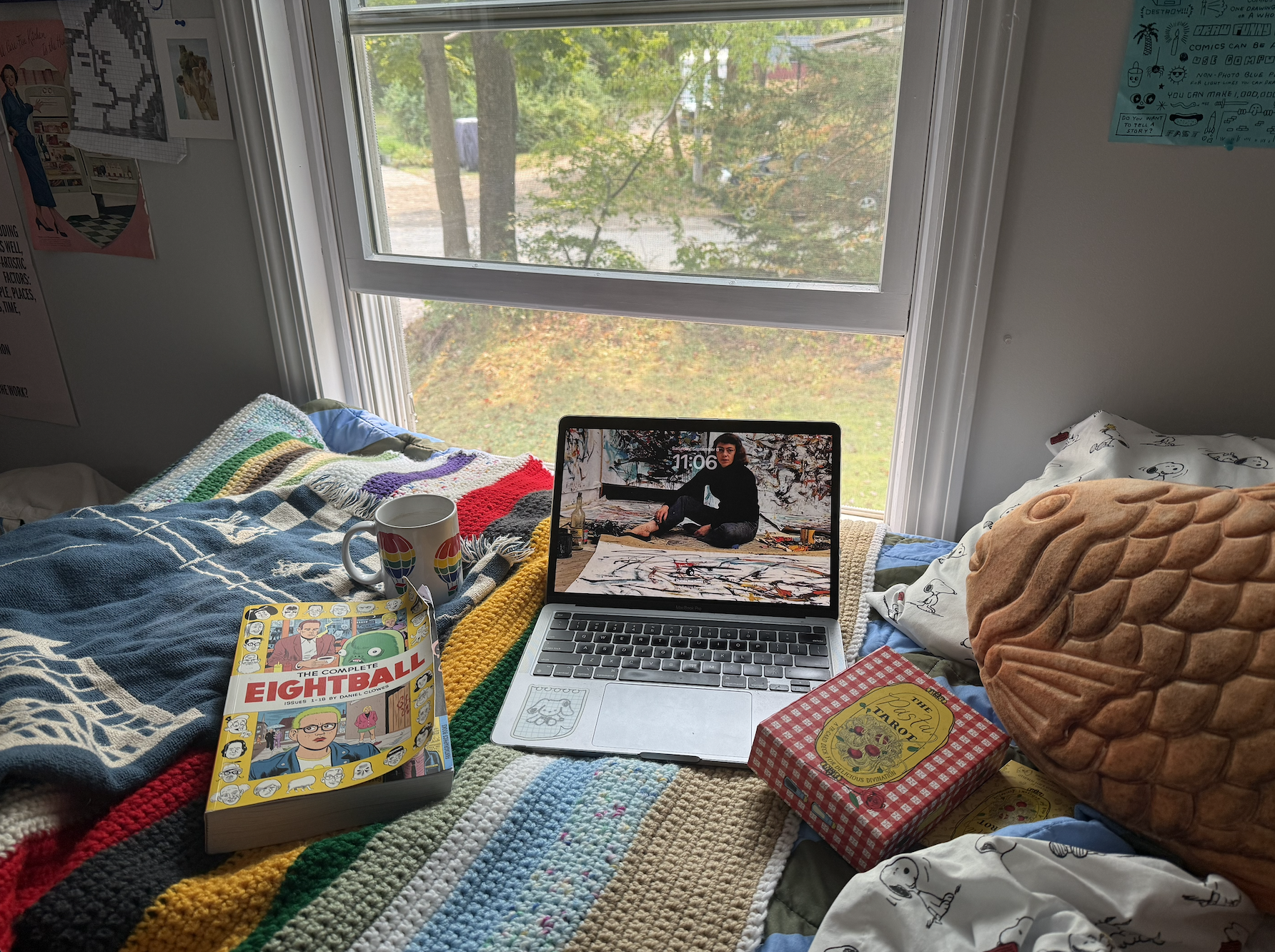

Balancing school friendships, and mental health can feel like a full time job. Between classes, assignments, exams, internships, social plans, family expectations, and trying to take care of yourself, it can feel like there is an endless list of things you should be doing. You may want to be a good student, a good friend, and a healthy person all at once, but some days it feels impossible to keep up with everything. College can be exciting and meaningful, but it can also be overwhelming. You are managing academic pressure, social expectations, independence, and personal growth often at the same time.
Therapy specifically for college students can help you better understand what is feeling unbalanced and build healthier ways to manage school, relationships, and your own well-being.
Why Balance Feels So Hard in College
College often comes with the pressure to make the most of everything. You may feel like you should be studying, going out, joining clubs, rushing fraternities or sororities, building your resume, maintaining friendships, exercising, sleeping enough, and still somehow finding time to relax.
That pressure can make it hard to know what actually matters most in the moment. If you focus on school, you may feel guilty for missing social plans. If you spend time with friends, you may feel anxious about falling behind. If you rest, you may feel you are wasting time.
Academic demands can affect student mental health, especially when students are struggling with stress, sleep, time management, and emotional support. When school becomes overwhelming, it can impact more than your grades. It can affect your mood, energy, relationships, and sense of self.
Academic pressure is real and impacts college students’ mental health. Intense academic expectations can contribute to stress, anxiety, and burnout. Recognizing that the pressure is real is an important first step in learning how to respond to it differently.
Notice When You Are Overcommitting
One of the biggest challenges in balancing school, friends, and mental health is learning when you are doing too much. Overcommitting can look like saying yes to every plan, taking on too many responsibilities, studying late every night, or feeling like you have to be available to everyone all the time. At first, it may seem manageable. Eventually though, your body and mind may start sending signals that you need a break.
You might feel more irritable than usual, struggle to focus, sleep poorly, cancel plans at the last minute, or feel emotionally drained even after doing things that are supposed to be fun. Academic stress can also spill into your overall well-being. Research found that academic stress can impact college students’ mental well-being, which is why it’s important to pay attention to how your schedule is affecting your mental health, not just your productivity.
A helpful question to ask yourself is: “Am I choosing this because I want to, or because I feel guilty saying no?” That answer can tell you a lot about whether your schedule is supporting you or draining you.
Make Friendship Feel Supportive, Not Stressful
Friendships are an important part of college, but they can also become another source of pressure. You may feel like you have to go out every weekend, respond to every text immediately, attend every birthday dinner, or be emotionally available whenever a friend needs support. While connection matters, constantly trying to keep up socially can become exhausting.
Healthy friendships should make room for honesty. You are allowed to say, “I really want to see you, but I need a night in”, or “I’m overwhelmed with school this week, can we catch up after my exam?” The right friends may be disappointed but they will understand that you are human. Balancing friendships and mental health does not mean isolating yourself. It means being intentional. Sometimes, you may need a fun night out. Other times, you may need a quiet coffee with one friend, a phone from home, or a night alone to recharge.
It can also help to notice how you feel after spending time with certain people. Do you feel more grounded, understood, or energized? Or do you feel anxious, judged, or like you have to perform? Your energy can give you important information about which relationships feel supportive.

Give Yourself Permission to Rest
Rest can feel surprisingly hard in college. When there is always another assignment to start or another plan to attend, resting may bring up guilt. You may tell yourself that you have not earned rest yet. You may feel lazy for taking a break. You may compare yourself to classmates who seem busier or more productive and wonder if you should be doing more.
But rest is not something you only deserve after you have completely burned yourself out. Rest is a part of how you keep going. Rest is necessary for emotional well-being, not a sign of weakness. Taking care of yourself does not make you less motivated. It can actually help you show up more fully for school, friendships, and your own life.
Try building rest into your routine before you hit a breaking point. This could mean blocking off one quiet night a week, taking short breaks while studying, getting enough sleep before an exam, or allowing yourself time with no specific goal.

Create Boundaries With Your Phone and Social Life
It is hard to be balanced when you are constantly connected. Group chats, social media, emails, class notifications, and texts can make it feel like your brain never gets a break. Even when you are technically resting, you may still be scrolling, comparing, responding, or feeling like you are missing out.
Taking space from your phone can help you reconnect with yourself. A digital detox can be good for your mental health as you step back from constant digital stimulation. You do not need to delete every app or disappear completely. Small boundaries can help. You might put your phone away while studying, stop checking social media before bed, turn off non-urgent notifications, or take one hour a day to be offline. Sometimes balance begins with giving your mind fewer places to be at once.
Check In With What You Actually Need
When life feels busy, it is easy to move through the week on autopilot. You go to class, answer texts, finish assignments, make plans, and repeat. But if you never pause to check in with yourself, you may not notice how overwhelmed you are until you’re already exhausted.
Try asking yourself simple questions throughout the week:
What do I need today?
What is one thing I can take off my plate?
Am I tired, lonely, anxious, or overstimulated?
What would help me feel a little more grounded?
Balance does not mean every area of your life gets equal attention every day. Some weeks school may need more of you. Other weeks, your friendships or mental health may need more care. The goal is not perfect balance, the goal is awareness and adjustment.
Final Thoughts
Balancing school, friends, and mental health is not about doing everything perfectly. It is about learning how to listen to yourself, set boundaries, and recognize when something needs to shift. You can care about your grades and still need rest. You can love your friends and still need space. You can be ambitious and still protect your mental health.
If you are feeling overwhelmed, anxious, disconnected, or unsure how to manage everything, therapy can help. With support, you can build healthier routines, communicate your needs more clearly, and create a version of balance that actually works for you.
THERAPY SERVICES FOR COLLEGE STUDENTS WE OFFER IN MANHATTAN & BROOKLYN, NEW YORK
Taking care of yourself physically and emotionally will enhance your ability to cope with academic demands and personal challenges. While college has so much to offer, it can feel overwhelming and exhausting, often leading to feelings of burnout. Setting aside time for you, including finding time to rest and rejuvenate is essential in adjusting to this transition.
At Manhattan Wellness, we understand that the transition to college is an exciting time filled with so much opportunity. But, we also know that with change comes a lot of uncertainty, which can be intimidating and stressful. We are here to support you in finding your path and feeling confident as you take on this new chapter. Follow these steps:
- Submit a Contact Form or Email Us at hello@manhattanwellness.org
- Learn More About Our Team of Therapists for College Students and Our Therapy Specialists
- Get Support As You Find Your Path in College!
SPECIFIC THERAPY SERVICE WE OFFER IN MANHATTAN & ONLINE THROUGHOUT NEW YORK, NEW JERSEY AND FLORIDA
We understand that navigating college in Manhattan can come with many emotions and feelings behind it. This is why our Manhattan therapists offer a range of counseling services. The mental health services we offer are Depression Therapy, Anxiety Therapy, Individual Therapy, Therapy for Self-Esteem and more.
Are you feeling like you’re not living the life you want and need to make changes? Let’s talk about it.