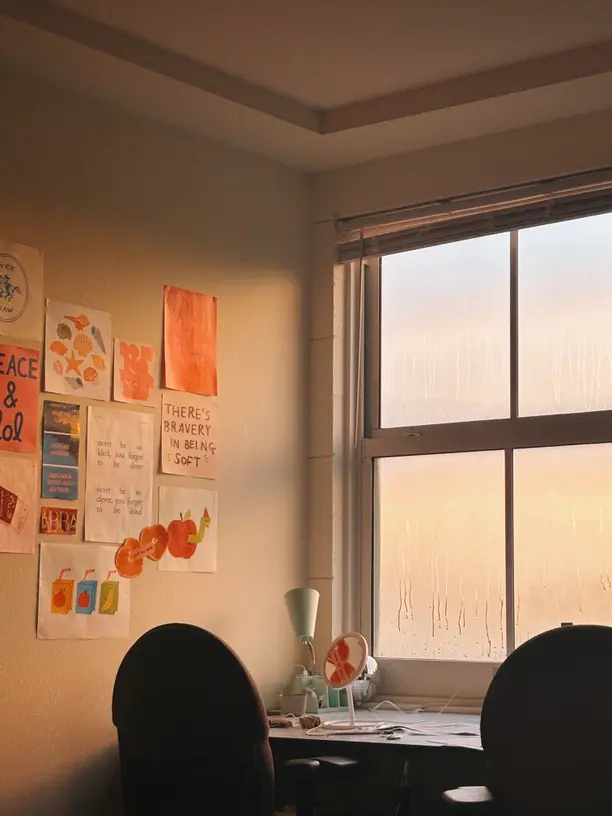
Starting college is supposed to feel exciting. At least, that is what everyone tells you. You may hear that college will be the best years of your life, that you will meet your lifelong friends right away, and that you will finally feel independent, free, and fully yourself. So when the first semester feels lonely, confusing, or emotionally overwhelming, it can be hard to admit.
You might look around and think everyone else has already found their people. Your roommate seems busy. People on your floor already have plans. Social media makes it look like everyone is going out, making friends, and loving every second. Meanwhile, you may be sitting in your room, wondering why college does not feel the way you expected it to.
If this sounds familiar, you are not alone. Feeling lonely during your first semester does not mean you picked the wrong school, failed, socially, or are doing college wrong. It often means you are adjusting to a completely new environment, routine, identity, and social world all at once.
The Pressure to love College Right Away
One of the hardest parts of first semester loneliness is the pressure to feel happy. When everyone around you talks about college as a fresh start, it can feel embarrassing to say that you feel really alone. You may worry that if you admit, you are struggling, people will think you are ungrateful, dramatic, or not adjusting well enough.
But big transitions often come with mixed emotions. You can be excited and lonely. You can be grateful and homesick. You can want independence and still miss the comfort of home. You can like your school and still feel unsure if you belong there yet. Navigating freshman year can be really challenging. It is important to support yourself through this transition instead of expecting yourself to have everything figured out immediately.
College is not only a change in location. It is a change in your daily structure, support system, friendships, responsibilities, and sense of familiarity. It makes sense that your emotions may take time to catch up.

Everyone Seems Like They Have Friends Already
During the first few weeks of college, it can look like everyone is forming instant friendships. People may be eating meals together, going out in groups, posting pictures, or talking like they have known each other forever. From the outside, it can seem like you are the only one still searching for a real connection.
But early college friendships can be misleading. A lot of people are clinging to the first people they meet because they are also nervous about being alone. Some groups that look close in September may shift completely by November. Some people who seem confident, socially may be feeling just as insecure behind the scenes.
The first semester can create a sense of urgency around friendship. You may feel like you need to find your best friends immediately, or you will be behind. But real friendship usually takes more time than that. It often develops the repeated small moments: sitting next to someone in class, getting coffee after a club meeting, studying together, or slowly realizing you feel comfortable around someone. You are not behind because you have not found your people yet. You are still building.

Homesickness Can Show Up in Unexpected Ways
Home sickness does not always look like crying every night or wanting to transfer. Sometimes it shows up more quietly. You may miss your bed, your family, your pets, your favorite foods, your old routine, or the feeling of being known without having to explain yourself. You may miss the ease of texting your high school, friends and knowing exactly where you fit. You may even miss parts of home that used to annoy you.
Home sickness is common during the first few months of college, especially as students adjust to being away from familiar people and routines. Home sickness can also make loneliness feel more intense because everything requires effort. You have to figure out where to eat, who to sit with, how to spend weekends, how to manage your schedule, and how to take care of yourself without the same support system nearby. That does not mean you are not independent enough. It means you are human.
Social Media Can Make Loneliness Feel Worse
Social media can make the first semester feel even more isolating. You may see people from high school, posting with new friends, going out, visiting each other‘s dorms, or looking like they’re having the perfect college experience. Even though you know, social media is not the full picture, it can still affect how you feel.
When you are already lonely, seeing everyone else appear happy can make you question yourself. You could wonder why does it look easier for them or what is it that I’m doing wrong? But social media often captures the most polished version of someone’s transition. It does not show the awkward dining home moments, the roommate tension, the night people feel homesick, or the times they wonder if they belong to.
If scrolling makes you feel worse it may help to take breaks or remind yourself that you are comparing your full emotional experiences to somebody else’s highlights. Your first semester does not have to look good online to be meaningful in real life.
Academic Pressure Can Make It Harder to Connect
Loneliness during the first semester is not only about friendship. It can also be tied to academic stress. College classes may feel more demanding than high school. You may be adjusting to new expectations, larger assignments, less structure, and more independence. When you are trying to keep up academically, it can be harder to put energy into socializing.
You might get plans because you feel behind. You might isolate yourself when you are stressed. You might feel like everyone else is balancing school and friends better than you are. Academic pressures and social pressures can be hard on college students’ mental health. School related stress can impact emotional well-being. When academic pressure builds, loneliness may feel heavier because you are carrying both social uncertainty and performance stress.
This is why it is important to take your whole adjustment seriously. You are not just trying to make friends. You are learning how to live, study, socialize, rest, and care for yourself in a new environment.
You May Miss Being Fully Known
One of the loneliest parts of starting in college is feeling unknown. At home or in high school, people may have understood your history, humor, routines, family, personality, and past experiences. In college, you may feel like you were introducing yourself over and over again. You may have a lot of surface level conversations, but still crave the comfort of being deeply known.
That can make even a socially busy week feel lonely. You may be surrounded by people and still miss emotional familiarity. You may have plans but still feel disconnected. You may enjoy meeting people, but feel tired from constantly having to present yourself.
This does not mean the new connections are meaningless. It just means closeness takes time. Being known is built through consistency, vulnerability, shared experiences, and trust. It usually does not happen in the first few weeks, even when people seem socially settled.

How to Feel Less Alone During the First Semester
You do not have to solve loneliness overnight. Sometimes the goal is simply to create small moments of connection and stability. Start by lowering the pressure. You do not need to find your best friend immediately. Try focusing on small, repeatable interactions instead. Sit next to the same person in class. Ask someone if they want to grab coffee after our meeting. Go to a club more than once, even if the first time feels awkward. Spend time and shared spaces instead of staying in your room all the time.
It can also help to keep some connection to home when building your new life. Calling a family member, texting an old friend, or keeping a familiar routine can be grounding. Then connected to home does not mean you are failing to adjust. It can actually give you the stability you need to branch out.
Mixed emotions about college are okay. Transitions can feel complicated. You do not have to force yourself to feel one way about college.
When Loneliness Feels Bigger Than Adjustment
Some loneliness is a part of transition, but that does not mean you have to ignore it. If you’re feeling persistently sad, anxious, disconnected, hopeless, or unable to function, it may be time to reach out for more support. If you are avoiding everything, struggling to sleep, are crying often, or feeling like you cannot talk to anyone, you deserve help.
Research on home sickness and adjustment during the first year of college suggests that leaving home for college can make students especially vulnerable to stress surrounding those changes. This is a real emotional experience, not something you need to minimize.
Support might look like talking to a campus counselor, joining a support group, opening up to a resident assistant, speaking with a therapist, or telling someone you trust what has really been going on. You do not have to wait until things feel unbearable to ask for support.
Final Thoughts
Your first semester of college can feel lonely, even if you are exactly where you are supposed to be. Loneliness does not mean you chose the wrong School. It does not mean everyone else is doing better than you. It does not mean you will never find close friends. It often means you’re in the middle of a major life transition, and connection has not had enough time to fully grow yet.
College can become meaningful without feeling perfect right away. Friendships conform slowly. Confidence can build over time. Routines can become familiar. One day, the place that feels new and uncomfortable may start to feel more like yours.
For now, be gentle with yourself. You are not feeling the college experience, you are adjusting to it.
THERAPY SERVICES FOR COLLEGE STUDENTS WE OFFER IN MANHATTAN & BROOKLYN, NEW YORK
Taking care of yourself physically and emotionally will enhance your ability to cope with academic demands and personal challenges. While college has so much to offer, it can feel overwhelming and exhausting, often leading to feelings of burnout. Setting aside time for you, including finding time to rest and rejuvenate is essential in adjusting to this transition.
At Manhattan Wellness, we understand that the transition to college is an exciting time filled with so much opportunity. But, we also know that with change comes a lot of uncertainty, which can be intimidating and stressful. We are here to support you in finding your path and feeling confident as you take on this new chapter. Follow these steps:
- Submit a Contact Form or Email Us at hello@manhattanwellness.org
- Learn More About Our Team of Therapists for College Students and Our Therapy Specialists
- Get Support As You Find Your Path in College!
SPECIFIC THERAPY SERVICE WE OFFER IN MANHATTAN & ONLINE THROUGHOUT NEW YORK, NEW JERSEY AND FLORIDA
We understand that navigating college in Manhattan can come with many emotions and feelings behind it. This is why our Manhattan therapists offer a range of counseling services. The mental health services we offer are Depression Therapy, Anxiety Therapy, Individual Therapy, Therapy for Self-Esteem and more.
Are you feeling like you’re not living the life you want and need to make changes? Let’s talk about it.