
What Noah Kahan, Billie Eilish, and Demi Lovato Teach Us About Mental Health
Music has always been a place people go to feel less alone. Songs have always had the power to hold our grief, our anger, our longing, and our hope. What feels different now is how openly mainstream artists are naming their personal mental health, trauma, and recovery as their lived experiences.
Artists like Noah Kahan, Billie Eilish, and Demi Lovato aren’t just writing songs that sound good; they’re creating emotional spaces where listeners can recognize themselves. Their music doesn’t offer easy answers or toxic positivity. Instead, it models something more honest: that healing is nonlinear, that pain can coexist with beauty, and that speaking the truth, either out loud or through song, can be a powerful step toward change.

Music as Emotional Processing
From a mental health perspective, music can function much like journaling or therapy. It helps people name emotions that might otherwise feel overwhelming or hard to articulate. Research has consistently shown that music can regulate mood, reduce stress, and foster emotional connection. But beyond the science, there’s something deeply human about hearing your inner world reflected back to you.
When artists write vulnerably, they’re doing emotional labor in public. In doing this so openly, they give listeners permission to feel. That permission matters, especially in a culture that often encourages people to “push through,” stay productive, or minimize their struggles.
Noah Kahan: Naming Quiet Pain and Emotional Avoidance
Noah Kahan’s rise in popularity has been striking, in part because his music speaks to a very specific kind of pain: the quiet, internalized struggle many people carry without ever calling it trauma. Songs like “Stick Season,” “Growing Sideways,” and “Dial Drunk” explore depression, emotional stagnation, substance use, and the complicated relationship between place, identity, and mental health.
Kahan often writes about feeling stuck, be that geographically, emotionally, psychologically. There’s a familiarity in that theme for many listeners: the sense of knowing something isn’t right, but not knowing how to change it. Rather than framing healing as a dramatic breakthrough, his music reflects the slow, sometimes frustrating process of becoming aware.
What’s especially powerful is how his work challenges the idea that suffering has to be extreme to be valid. You don’t have to hit “rock bottom” to deserve support. Quiet despair, numbness, and avoidance are still pain and acknowledging them is often the first step toward healing.
In therapy, naming what’s happening internally is foundational. Kahan’s music does exactly that: it gives language to feelings many people have learned to dismiss.
Billie Eilish: Giving Shape to Anxiety, Fear, and Vulnerability
Billie Eilish’s music has always felt emotionally intimate, but her willingness to talk openly about anxiety, depression, and intrusive thoughts has made her a particularly important figure for younger listeners. Songs like “everything i wanted,” “bury a friend,” and “Happier Than Ever” don’t shy away from fear, anger, or disillusionment.
Eilish has spoken candidly about panic attacks, body image struggles, and the pressure of public scrutiny. What stands out is how her music resists the urge to make pain palatable. Anxiety isn’t dressed up as edgy or glamorous, but shown honestly as unsettling, exhausting, and real.
From a therapeutic lens, her work reflects what it looks like to sit with uncomfortable emotions rather than suppress them. She often allows anger, grief, and ambivalence to coexist within the same song, mirroring the emotional complexity many people experience in real life.
For listeners, especially those navigating anxiety or identity development, this kind of representation can be grounding. It sends the message: you’re not broken for feeling this way. And that validation can be deeply regulating.
Demi Lovato: Recovery, Relapse, and Radical Honesty

Demi Lovato’s relationship with music and mental health is inseparable from their public recovery journey. Over the years, Lovato has written openly about addiction, eating disorders, trauma, and the ongoing nature of healing. Songs like “Skyscraper,” “Anyone,” and “Dancing with the Devil” confront pain head-on, without minimizing its seriousness.
What makes Lovato’s work particularly meaningful is its refusal to offer a neat recovery narrative. Healing is not portrayed as a straight line, nor is relapse framed as failure. Instead, their music reflects the reality many people face: growth alongside setbacks, hope alongside fear.
In mental health spaces, we often emphasize that recovery is a process, not a destination. Lovato’s music embodies that truth. By sharing their story publicly, they challenge stigma and remind listeners that needing help is not a moral failing.
There is something deeply reparative about seeing someone survive, struggle, and keep going.
Why This Matters for Healing
When artists speak honestly about mental health, they help shift cultural norms. They make it safer to talk more openly about anxiety, depression, substance use, and emotional pain.
For many people, music becomes a bridge to self-reflection. A song might be the first time someone realizes, “This is what I’m feeling.” Or it might give them the courage to seek support, start therapy, or talk to someone they trust.
At the same time, it’s important to remember that music is a companion to healing, not a replacement for it. Listening to vulnerable art can be validating, but sustainable change often requires deeper support whether that’s therapy, community, or other forms of care.
Listening as an Act of Self-Care
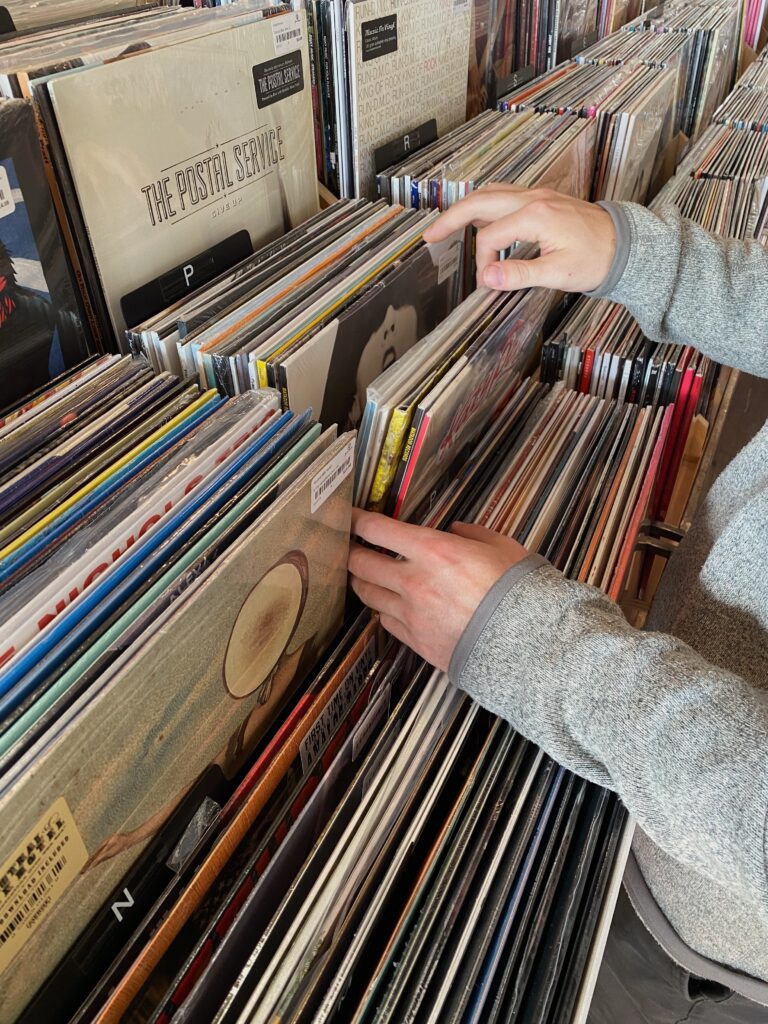
One of the most healing aspects of music is that it allows us to feel without needing to fix. In a world that often demands solutions, songs offer presence instead. They say, stay here for a moment. You’re allowed to feel this.
Artists like Noah Kahan, Billie Eilish, and Demi Lovato remind us that healing doesn’t have to be quiet or private. It can be messy, creative, and shared. And sometimes, hearing someone else tell the truth makes it easier to tell our own.
If you find yourself resonating deeply with music that explores mental health, that can be a meaningful signal—not that something is wrong with you, but that you’re paying attention. And paying attention is often where healing begins.
Music can help us recognize and sit with our emotions, but healing often deepens when those feelings are explored with another person. Therapy offers a space to slow down, make sense of what resonates, and understand why certain lyrics or struggles hit so close to home. Just as music can reflect your inner world back to you, therapy can help you listen more closely to yourself, build compassion for your experiences, and find new ways of relating to pain, growth, and change. If music has helped you feel seen, therapy can help you feel supported as you continue that healing process.
Learn more about how we can support you as reflect and heal:
- Submit a Contact Form or Email Us at hello@manhattanwellness.org
- Learn More About Our Team of Therapists and Our Therapy Specialists
OTHER THERAPY SERVICES OFFERED IN MANHATTAN, BROOKLYN, & THROUGHOUT NEW YORK
Our therapists recognize that discovering your “enough” is a journey. And it can become even more complex when the inner critic interferes, giving rise to additional challenges. We provide a range of services to ensure you receive the essential support, care, and guidance to achieve your goals. Our offerings include specialized support for women, anxiety treatment, and dating therapy. Along with services for college students, maternal mental health, body image therapy, and much more. If you feel dissatisfied with your current life and are seeking meaningful changes, let’s have a conversation about it.