
There always seems to be one point during the summer when you stop and wonder, “How is it already August?”
You started the season with the best intentions. Maybe you wanted to spend more time outside, reconnect with friends, take a few weekend trips, or simply enjoy the longer days. Instead, every weekend was booked weeks in advance. Your calendar filled up, your to-do list kept growing, and somehow the season that was supposed to feel relaxing became another thing to keep up with.
Summer isn’t meant to be another competition to see how much you can fit into a few short months. Yet between vacations, weddings, family gatherings, concerts, and social events, it’s easy to feel like every free weekend has to be filled. Before you know it, you’re counting down the days until fall, wondering why you feel so exhausted during a season that was supposed to help you recharge.
The truth is, enjoying summer isn’t about doing more, it’s about creating enough space to actually be present for it. Learning how to slow down, set boundaries, and prioritize what truly matters can help you enjoy the season without feeling like you need a vacation from your vacation.
Why We Tend to Overbook Ourselves
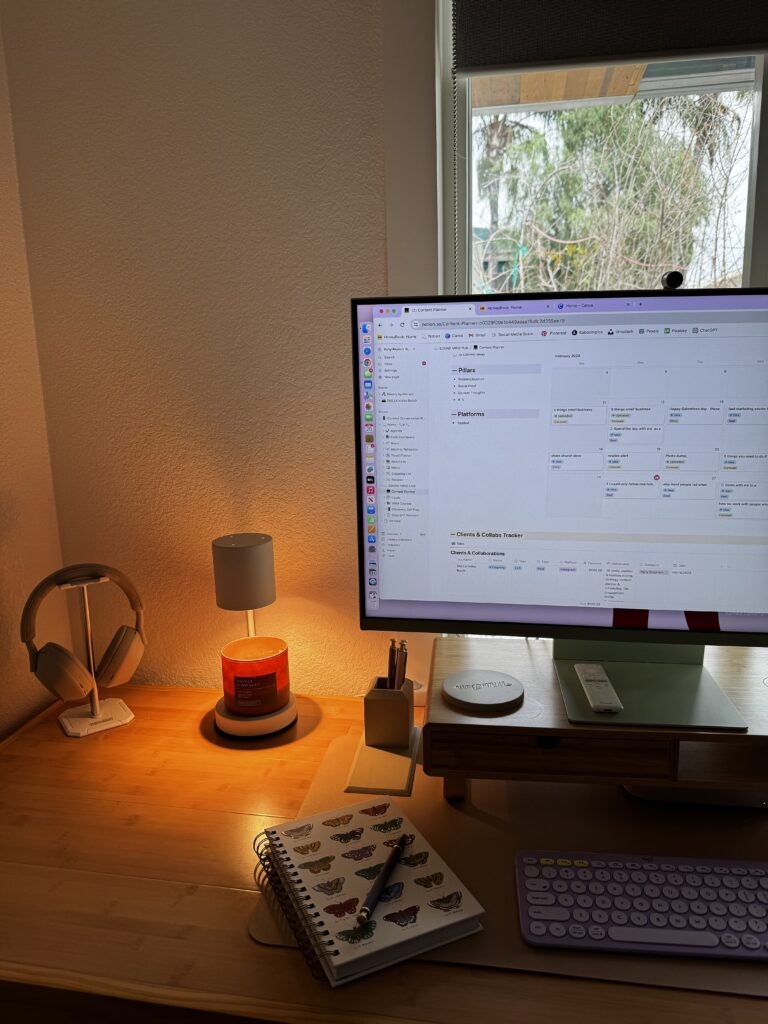
Most people don’t intentionally make summer stressful. It happens gradually. One invitation turns into another, weekends start filling up, and before long, there isn’t a single day left that doesn’t have something planned.
Part of it comes from the feeling that summer is limited. Warm weather only lasts for a few months, and it can feel like you have to make the most of every sunny afternoon, rooftop dinner, beach trip, or weekend getaway before it’s over. Saying “no” to plans can feel like you’re missing your chance to enjoy the season.
Social media often adds another layer of pressure. Every scroll seems to bring another vacation, concert, picnic, or perfectly planned weekend. It’s easy to feel like everyone else is making better use of their summer, even though you’re only seeing the highlight reel. Instead of asking yourself what you actually want to do, you may find yourself trying to keep up with what everyone else appears to be doing.
Many people also feel like they have to earn rest. After months of working hard or finishing another school year, there’s pressure to fit in every experience possible. Somewhere along the way, rest starts to feel unproductive, and slowing down can even create guilt. As discussed in our blog on How to Rest Without Feeling Guilty, many people struggle to enjoy downtime because they’ve learned to associate their worth with productivity rather than well-being.
For others, overbooking comes from something deeper. People-pleasing, difficulty setting boundaries, anxiety, or fear of disappointing others can make it difficult to decline invitations, even when your schedule is already full. You may worry that saying no means letting someone down or missing out on an opportunity you’ll never get back.
At Manhattan Wellness, we often see how chronic stress and constantly staying busy can affect both emotional and physical well-being. Our Anxiety Therapy services help clients recognize the thought patterns that keep them feeling like they always have to be “on,” while Mindfulness-Based Therapy focuses on slowing down, staying present, and creating a healthier relationship with stress before it turns into burnout.
The Hidden Cost of Being Busy

Being busy isn’t always the problem. The problem is when being busy becomes constant.
At first, a full calendar can feel exciting. You’re seeing friends, making plans, traveling, and saying “yes” to new experiences. But after weeks of constantly moving from one commitment to the next, your mind and body rarely have a chance to recover.
Chronic stress doesn’t always look dramatic. Sometimes it simply looks like feeling irritable for no obvious reason, struggling to make decisions, having trouble sleeping, or realizing you’re exhausted even after a weekend away. According to the American Psychological Association, ongoing stress can affect both your physical and emotional well-being, making it harder to focus, regulate emotions, and truly recharge.
One of the biggest costs of overbooking is emotional exhaustion. When every day is planned, even enjoyable activities can begin to feel like obligations. Instead of looking forward to seeing friends or taking a trip, you may find yourself counting down until you can finally be home.
As we discussed in our blog You’re Not Lazy—You’re Emotionally Exhausted, emotional exhaustion doesn’t always come from work. It can also happen when you’ve spent too long meeting everyone else’s expectations while ignoring your own need for rest.
Another hidden consequence is decision fatigue. Every plan requires another choice, which restaurant to go to, what to wear, when to leave, who to invite, and how to fit everything into an already packed schedule. While each decision may seem small on its own, they begin to add up, leaving you mentally drained by the end of the day.
Perhaps the biggest loss, though, is that you stop being present. Instead of enjoying dinner with friends, you’re thinking about tomorrow’s plans. During your vacation, you’re already worrying about unpacking before work on Monday. When life becomes one event after another, it’s easy to miss the moments you were trying so hard to create.
Burnout doesn’t only happen in the office. It can happen anytime your schedule leaves no room to rest, reflect, or simply enjoy where you are. Making space for downtime isn’t wasting summer, it’s what allows you to actually experience it.
Five Ways to Enjoy Summer Without Filling Every Free Hour
Slowing down doesn’t mean missing out. In fact, creating a little more space in your schedule often allows you to enjoy the experiences you choose even more. If you find yourself constantly rushing from one plan to the next, these small shifts can help you create a more balanced summer.
Schedule Downtime First
Most people schedule everything except rest. They fill their calendars with dinners, trips, errands, and social events, hoping they’ll find time to relax somewhere in between. Unfortunately, that rarely happens.
Instead, treat downtime like any other commitment. Block off an afternoon to read in the park, spend a quiet morning at your favorite coffee shop, or simply leave a Saturday completely open. Research suggests that regular periods of rest help the body recover from ongoing stress rather than remaining in a constant state of high alert.
Choose Quality Over Quantity
Summer doesn’t become more memorable because you attended every event. Often, the moments people remember most are the simplest ones, a long dinner with close friends, watching the sunset, or spending a day outside without feeling rushed.
Rather than saying yes to every invitation, ask yourself which experiences genuinely excite you. Choosing fewer plans often allows you to be more present for the ones you do keep.
Leave Room for Spontaneity
When every weekend is planned weeks in advance, there’s little space for unexpected opportunities or simply listening to what you need that day.
Maybe the weather is perfect for a walk, maybe you’re feeling more tired than expected, or maybe a friend calls with a last-minute idea. Leaving open space in your schedule gives you the flexibility to enjoy those moments instead of feeling tied to an already packed calendar.
Practice Saying No Without Feeling Guilty
One of the healthiest things you can do for yourself is recognize that you don’t have to accept every invitation.
Setting boundaries isn’t about disappointing people, it’s about protecting your own well-being. As we discuss in our blog on Boundaries: What They Are and How to Set Them, saying no to one plan often means saying yes to the time, energy, and relationships that matter most to you.
If declining plans feels especially difficult because of anxiety, people-pleasing, or perfectionism, working with a therapist can help you build healthier boundaries while reducing the guilt that often comes with them.
Build a Summer Around Your Values, Not Social Media
It’s easy to believe everyone else is having a better summer when you’re constantly seeing vacations, beach days, and perfectly curated weekends online. But social media rarely shows the quiet moments, canceled plans, or evenings spent resting at home.
Instead of asking, “What is everyone else doing?” try asking, “What would actually make me feel happy and rested?”
For some people, that’s traveling. For others, it’s spending time with family, trying a new hobby, taking evening walks, or simply having more unstructured time. Practicing mindfulness can help you become more aware of what you truly need instead of automatically following outside expectations. Our Mindfulness-Based Therapy services help clients slow down, stay present, and reconnect with what feels meaningful to them.
What a Balanced Summer Actually Looks Like

A balanced summer doesn’t have to be filled with expensive vacations or a calendar packed every weekend. In fact, some of the most meaningful moments are often the simplest ones.
It might look like spending a Saturday morning reading in the park with an iced coffee instead of rushing from one event to another. It could be taking a walk after dinner simply because the weather is nice, meeting a close friend for a picnic, or having a weekend with absolutely nothing planned.
Maybe it’s saying no to one invitation because you know you need a quiet night at home. Maybe it’s taking a day off work without feeling pressured to make every hour productive. Or maybe it’s giving yourself permission to spend an afternoon doing something that brings you joy simply because you want to, not because you need to earn it.
There’s no “perfect” way to spend the summer. For some people, a balanced season includes traveling. For others, it means staying close to home, reconnecting with family, discovering new neighborhoods, or creating small routines that make everyday life feel a little lighter.
When you stop measuring your summer by how much you accomplished or how many plans you squeezed into your calendar, you create room to actually experience it. You notice conversations instead of checking the time. You enjoy the sunshine instead of thinking about the next commitment. You allow yourself to rest without feeling like you’re falling behind.
Sometimes, the moments you’ll remember most aren’t the busiest ones, they’re the ones where you finally had enough space to slow down.
Therapy Can Help If Slowing Down Feels Impossible
If slowing down feels uncomfortable rather than relaxing, you’re not alone.
For many people, staying busy isn’t just a habit, it’s a way of coping. Anxiety, perfectionism, people-pleasing, and difficulty setting boundaries can make rest feel unfamiliar or even uncomfortable. You may feel guilty when you aren’t being productive or worry that saying “no” will disappoint the people around you.
At Manhattan Wellness, we work with clients who are navigating these challenges every day. Through Anxiety Therapy, Mindfulness-Based Therapy, and Stress Management, our therapists help clients understand the patterns keeping them overwhelmed while building healthier ways to manage stress, set boundaries, and create more balance.
You don’t have to wait until you’re completely burned out to ask for support. Sometimes therapy isn’t about doing more, it’s about learning how to give yourself permission to do less, without guilt.
Summer doesn’t have to be measured by how many trips you took, how many plans you made, or how full your calendar looked.
The best summers aren’t remembered because every minute was scheduled. They’re remembered because there was enough space to actually enjoy them. The conversations lasted a little longer than expected. The quiet mornings with nowhere to be. The evenings were spent watching the sunset instead of rushing to the next event.
Giving yourself permission to slow down doesn’t mean you’re wasting the season, it means you’re making room to experience it more fully.
This summer, instead of asking yourself how much you can fit into your schedule, try asking yourself a different question: What would help me feel rested, present, and happy? The answer may lead to your most meaningful summer yet.
FIND MORE BALANCE WITH THERAPY IN MANHATTAN, NEW YORK
At Manhattan Wellness, we understand that slowing down isn’t always as easy as it sounds. Whether you’re struggling with anxiety, perfectionism, people-pleasing, or simply feeling like your schedule never stops, our therapists are here to help you build a healthier relationship with rest, boundaries, and balance.
You deserve a summer that leaves you feeling refreshed, burned out. If you’re ready to create a life that feels more intentional and less overwhelming, we’re here to support you every step of the way.
If you’re interested in beginning therapy:
- Submit a Contact Form or Email Us at hello@manhattanwellness.org
- Learn More About Our Team and Our Areas of Expertise
- Begin Creating a More Balanced, Present, and Fulfilling Life
OTHER THERAPY SERVICES AT MANHATTAN WELLNESS IN NEW YORK
Our therapists understand that learning to slow down can be challenging, especially when stress, anxiety, perfectionism, or people-pleasing have become part of your daily routine. To better support your individual needs, we offer a variety of therapy services designed to help you build healthier habits, strengthen relationships, and improve your overall well-being.
In addition to Anxiety Therapy, we also offer Stress Management, Mindfulness-Based Therapy, Therapy for College Students, and Therapy for Women. Whether you’re navigating life transitions, struggling to set boundaries, or simply looking for more balance in your everyday life, we’re here to help you create meaningful, lasting change.
If you feel like you’re constantly busy but rarely feel present, let’s talk about it.