
If your social media has been filled with horror movies, you’re not the only one. The horror movie that’s probably taken over all your conversations is none other than Obsession. It’s a movie about a young adult named Bear, who is hopelessly in love with his good friend, Nikki. Nikki loses her crystal necklace while on a call with Bear. As a result, Bear plans to get her a replacement while he confesses his love to her. Instead, he ends up getting a “One Wish Willow,” despite getting a warning from the cashier about the complaints it has gotten.

After dropping her off at home at a group outing with their friends, Bear fails to speak up, and ends up using the One Wish Willow on himself. “I wish Nikki Friedman loved me more than anyone else in the entire world.” After he snaps the willow in half, Nikki appears eerily at her front door, and obsession begins. At first, Bear seems to love it, Nikki doesn’t leave his side, they do everything together, and their friends get some red flags, but Bear ignores it. The real Nikki comes out and screams, but then the possessed Nikki snaps back into her state of obsession for Bear. Gradually, Nikki’s behavior begins to escalate. What started as an intense affection becomes controlling and violent. Both of their lives go down a path that no one could have predicted.
Although it’s a horror movie with unrealistic elements, the movie provides warning signs of co-dependency in real life relationships. Co-dependency is a relationship dynamic where one person sacrifices their own needs and well-being for the other person. It can be often misunderstood as simply being really close or a devoted partner. But at its root, a person can become so emotionally reliant on another that they begin to lose their own sense of self.
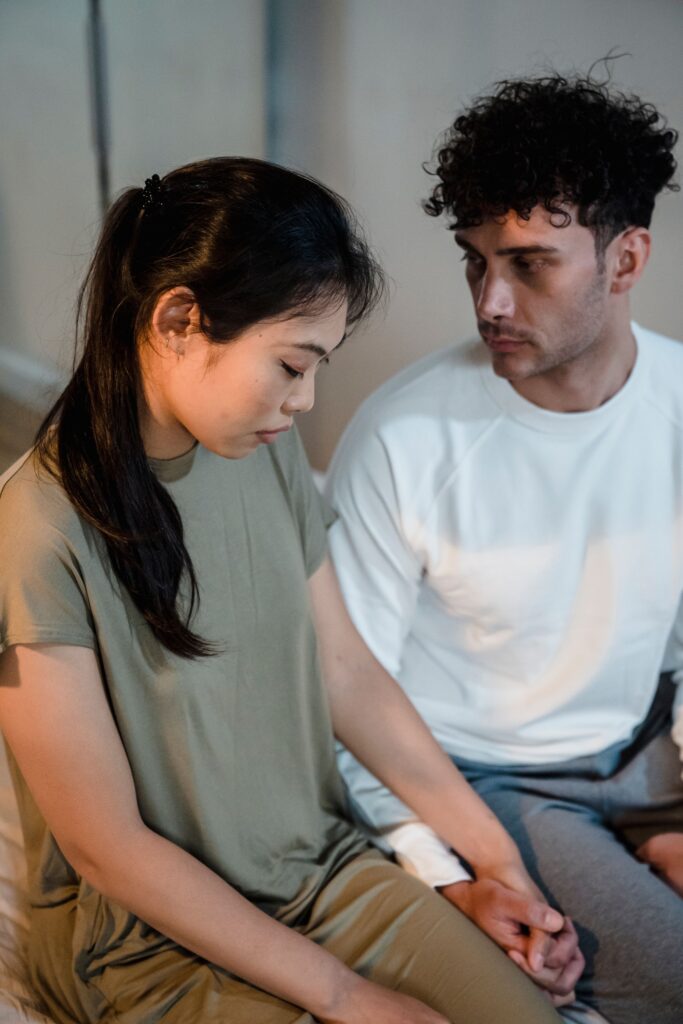
In real-life, co-dependency is tricky to notice unlike it is in Obsession. It’s hard to know what love looks like. It can feel like love, look like love, but it isn’t love. There’s an important difference between choosing to love someone and feeling like you cannot function without them.
What makes Obsession so unsettling beyond the horror is how recognizable Nikki’s behavior becomes once the wish is made. The film essentially fast-tracks co-dependency into its most extreme form, which makes it easier to spot the warning signs that might otherwise develop more subtly in real life.
Nikki loses her individual identity. One of the earliest red flags in the film is that Nikki stops existing as her own person. The other characters in the film start noticing she’s doing stuff out of character; her world entirely shrinks to just Bear. She starts lying about her family, which causes others to question who Nikki really has become, while Bear doesn’t mind. She has no interests, no separate plans that don’t involve him. In a real co-dependent relationship, this happens gradually. One partner slowly pulls away from their own social circle, hobbies, and goals until their entire sense of purpose is wrapped in someone else.
Nikki’s inability to give Bear space shows up repeatedly throughout the movie. She wraps the door to leave the house in duct tape, she shows up unannounced, and needs constant contact despite Bear asking for space. Healthy relationships require both people to have space to breathe, exist independently, and maintain their own lives outside of the relationship.

Throughout the relationship, Nikki’s emotional state is entirely dependent on Bear. “I feel as if you don’t love me as much as I love you,” she says sobbing loudly after staring at him sleeping in the corner. This is a hallmark of co-dependency. One person’s mood, sense of security, and self-worth completely is dependent on the other person’s actions and attention. It creates an exhausting and unstable dynamic for everyone involved.
Co-dependency doesn’t come with a magical willow branch and overnight transformation. It can come out of nowhere building slowly. It can feel sweet at first, a partner who wants to spend all their time with you, share your passions with you. But overtime, these patterns can quietly erode a person’s autonomy, self-esteem, and emotional capacity.
Obsession works as a horror movie because it taps into something genuinely frightening in relationships: the idea of love that consumes rather than nurtures. If you walked away from the film feeling unsettled in a way you couldn’t quite explain, it might be worth unpacking the emotions that came from the movie.
If any of the relationship dynamics in this film felt uncomfortable, reaching out to a mental health professional, such as the therapists in Manhattan Wellness is always a step.
THERAPY SERVICES FOR DATING AND RELATIONSHIPS WE OFFER IN MANHATTAN & BROOKLYN, NEW YORK
If the journey of being a happy, single person feels challenging, seeking professional support can be a valuable resource. Therapists are trained to help individuals navigate their emotions, explore personal goals, and develop strategies for finding fulfillment. Through therapy, you can gain insights into patterns of thinking and behavior, identify areas for growth and receive guidance on building a positive and meaningful life.
Our society often prioritizes romantic relationships, but learning how to be happy as a single person is a powerful and transformative journey. It’s a time for self-reflection, personal growth and the cultivation of genuine happiness that comes from within. By embracing solitude, practicing self-love, building meaningful connections and setting personal goals, you can navigate the single life with confidence.
Remember that being single is not a state of lack but an opportunity for fulfillment. Embrace your journey, focus on your well-being and fall in love with yourself!
- Submit a Contact Form or Email Us at hello@manhattanwellness.org
- Learn More About Our Team of Female Therapists and Our Areas of Expertise
- Let’s Talk About How We Can Help You Feel Empowered & Ready To Take The Next Step.
OTHER THERAPY SERVICES OFFERED IN MANHATTAN, BROOKLYN, & THROUGHOUT NEW YORK
We offer a diverse range of individual counseling services and couples therapy. Our dedicated therapists can help with stress management, symptoms of depression, self-esteem challenges, and college student counseling. Additionally, we specialize in offering support for addressing body image concerns, and navigating the unique challenges faced by women, among other aspects. If you need support, reach out to connect with a therapist.