
Summer is supposed to feel carefree. It’s the season people spend all year looking forward to. The weather is warmer, the days are longer, and social media is filled with photos of vacations, park picnics, and people who seem to be making the most of every sunny afternoon.
But for many New Yorkers, summer doesn’t always feel relaxing.
Instead, it can bring an unexpected sense of anxiety. You may find yourself overthinking plans, feeling guilty for staying home, comparing yourself to everyone else’s highlight reel, or wondering why you don’t feel as excited as you think you should. Even simple decisions, whether to say yes to an invitation, spend money on weekend plans, or take advantage of the nice weather, can start to feel surprisingly overwhelming.
If you’ve noticed yourself feeling more anxious instead of more carefree this summer, you’re not alone. Anxiety doesn’t disappear just because the weather improves. In fact, for some people, the change in routine, increased social expectations, and pressure to make the most of the season can actually make anxious thoughts even louder.
The good news is that these feelings are more common than you might think. Understanding why summer anxiety happens is the first step toward responding to it with more self-compassion, and finding ways to enjoy the season on your own terms.
Why Summer Can Trigger Anxiety
At first glance, summer doesn’t seem like a season that would make people feel more anxious. School is out, vacations are planned, the weather is nicer, and there are more opportunities to spend time outside. But for many people, summer also brings a noticeable shift in routine, and anxiety often thrives when life feels less predictable.
During the rest of the year, our days tend to follow a familiar rhythm. We know when we’re working, when we’re studying, and what our weekends usually look like. Summer often changes that. Suddenly there are more invitations, more last-minute plans, more travel, and more decisions about how to spend your free time. While those changes can be exciting, they can also create a sense of uncertainty that feels overwhelming rather than relaxing.
The American Psychological Association’s article on the difference between stress and anxiety explains that while stress is often tied to a specific external situation, anxiety is marked by persistent worry that can continue even when there isn’t an immediate problem to solve. That means you might find yourself overthinking plans, worrying about disappointing people, or feeling restless without fully understanding why. The season itself isn’t causing your anxiety, but the changes that come with it can make anxious thoughts more noticeable.
At Manhattan Wellness, we often remind clients that anxiety doesn’t always look like panic attacks or constant fear. Sometimes it shows up as overthinking, difficulty relaxing, feeling guilty for saying no, or constantly wondering if you’re making the “right” decision. When everyday choices start to feel mentally exhausting, it may be your anxiety asking for attention, not a sign that you’re doing summer “wrong.” Through Anxiety Therapy, clients learn to better understand these thought patterns, develop healthier coping strategies, and feel more confident navigating everyday situations instead of feeling controlled by worry.
The Pressure to Make the Most of Summer
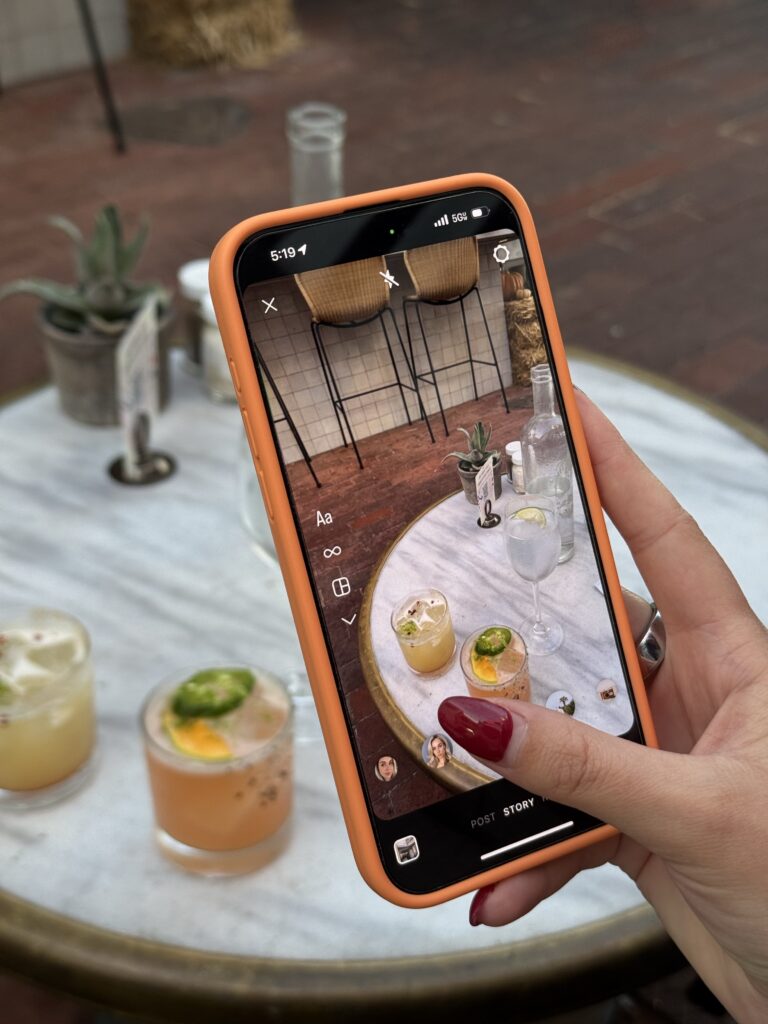
Have you ever reached the end of a weekend and felt like you “wasted” it?
Maybe you stayed home instead of making plans, spent the afternoon watching a movie, or simply caught up on chores. Instead of feeling rested, you felt guilty, like you should have been doing something more exciting.
Summer has a way of creating unrealistic expectations. Because the season feels short, it’s easy to believe that every sunny day should be memorable. We start putting pressure on ourselves to say yes to every invitation, book the trip, visit the beach, try the new restaurant, or spend every weekend doing something “worthwhile.” Before long, enjoying the season starts to feel like another item on your to-do list.
For many people, this pressure is fueled by comparison. Social media makes it easy to believe that everyone else is constantly traveling, celebrating, or making unforgettable memories. In reality, you’re often seeing carefully selected moments rather than everyday life. Comparing your behind-the-scenes to someone else’s highlight reel can make it feel like you’re falling behind, even when you’re exactly where you need to be.
If you’re someone who tends to put other people’s expectations before your own, this pressure can feel even stronger. You might agree to plans because you don’t want to disappoint anyone, even when you’re craving a quiet evening at home. As we discuss in our blog Break Free from People-Pleasing Patterns, constantly saying yes to avoid letting others down can leave you feeling disconnected from your own needs.
The truth is, there isn’t a “right” way to spend your summer. Some people feel energized by full calendars, while others feel happiest with slower weekends and spontaneous moments. Giving yourself permission to define what a meaningful summer looks like for you, not what it looks like for everyone else—can help reduce anxiety and make the season feel much more enjoyable.
When Anxiety Starts Showing Up Physically

One of the most frustrating things about anxiety is that it doesn’t just stay in your mind. It often shows up in your body before you even realize what’s happening.
Maybe you’ve been feeling restless all week, struggling to fall asleep even though you’re tired, or noticing that your shoulders are constantly tense. You might find yourself overthinking a text message, feeling overwhelmed by small decisions, or becoming irritable over things that normally wouldn’t bother you. Sometimes, anxiety doesn’t announce itself with obvious worry, it shows up through physical symptoms that are easy to brush off as stress or simply being “busy.”
According to the Mayo Clinic, anxiety can cause symptoms such as muscle tension, difficulty sleeping, trouble concentrating, a racing heart, stomach discomfort, and persistent feelings of nervousness. When these symptoms continue over time, they can make everyday situations feel much harder to navigate.
In a city like New York, it’s easy to dismiss these signs. You might tell yourself that everyone feels stressed, that you’ll relax once the weekend comes, or that you just need one good night’s sleep. But if you’re constantly feeling on edge, avoiding situations that make you anxious, or finding it difficult to enjoy things you normally look forward to, it may be worth paying closer attention.
Recognizing these patterns isn’t about labeling yourself or assuming something is wrong. It’s about understanding how your mind and body communicate with one another. The sooner you notice the signs of anxiety, the easier it becomes to respond with self-compassion and healthy coping strategies rather than simply pushing through.
How to Feel More Grounded During the Summer
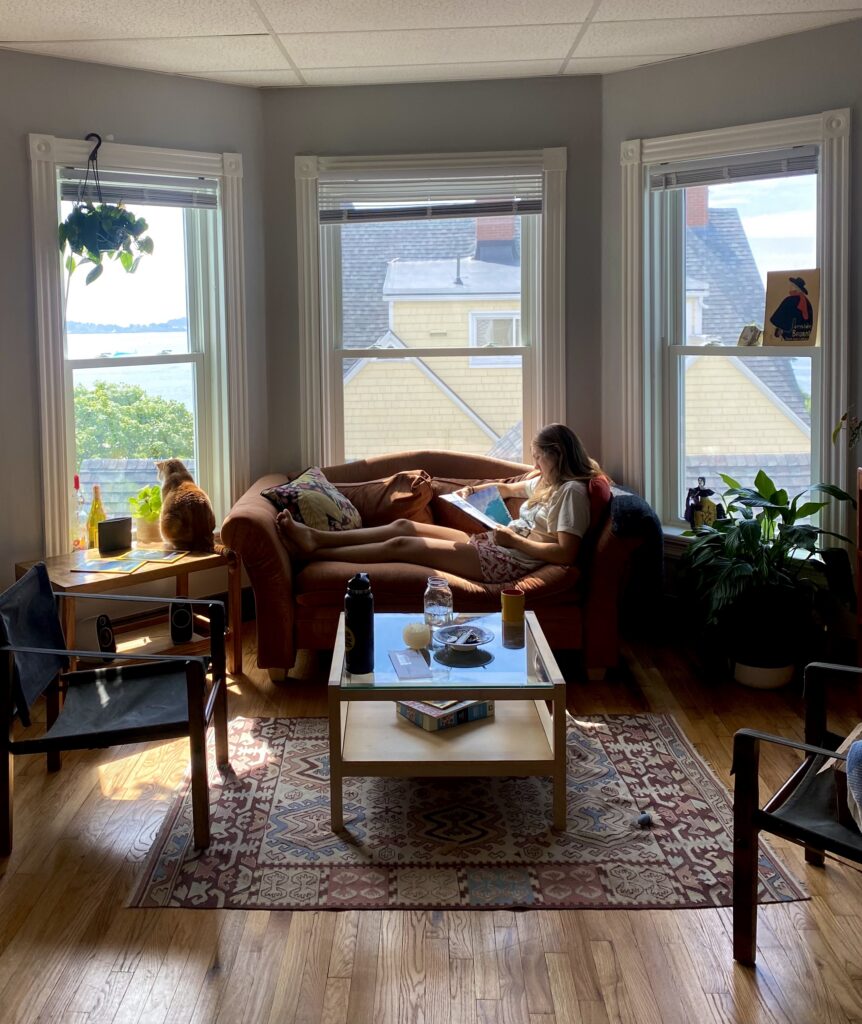
You don’t have to completely change your summer plans to feel less anxious. Often, it’s the small habits that make the biggest difference. The goal isn’t to avoid summer or stop making plans, it’s to create enough balance that you can actually enjoy them.
Stop Asking Yourself What You “Should” Be Doing
When anxiety takes over, it’s easy to make decisions based on pressure instead of what you actually want. Before saying yes to a plan, ask yourself a simple question: Is this something I genuinely want to do, or do I just feel like I should?
Giving yourself permission to choose what feels right for you, not what everyone else is doing, can help reduce unnecessary stress and make your summer feel much more authentic.
Practice Saying No Without Feeling Guilty
Every invitation doesn’t have to become a commitment. Protecting your time doesn’t make you selfish, it helps you show up more fully for the things that truly matter.
If saying no feels uncomfortable, it may be connected to people-pleasing patterns. Learning to set healthy boundaries can reduce anxiety and help you build relationships that don’t rely on constantly putting other people’s needs ahead of your own. As we discuss in Break Free from People-Pleasing Patterns, setting boundaries is an important part of protecting your emotional well-being.
Give Yourself Something Consistent
Summer schedules can feel unpredictable, but creating one or two daily routines can help your nervous system feel more settled. That might mean taking a morning walk, reading before bed, exercising a few times a week, or setting aside time each day to unplug from your phone.
The CDC recommends simple habits like staying active, maintaining a regular routine, connecting with others, and taking time to rest as healthy ways to manage stress and support emotional well-being.
Remember That You Don’t Have to Earn Rest
One of the biggest misconceptions about self-care is that it has to be earned. You don’t need to have the busiest week, attend every event, or check everything off your to-do list before allowing yourself to slow down.
Sometimes the healthiest thing you can do is spend a quiet evening at home, take a walk without an agenda, or simply enjoy a slower day without feeling like you’re falling behind.
If anxiety continues to make it difficult to relax, therapy can help you better understand what’s driving those thoughts and build healthier ways to respond to them.
Therapy Can Help You Navigate Summer Anxiety
If you’ve been feeling more anxious this summer, it doesn’t mean you’re doing anything wrong. It also doesn’t mean you’ll feel this way forever.
Sometimes anxiety is tied to a specific situation, like a big life change or an upcoming event. Other times, it builds slowly through everyday pressures until you realize you’re constantly worrying, overthinking, or feeling on edge. The good news is that anxiety is treatable, and you don’t have to figure it out on your own.
Therapy offers a supportive space to understand what’s contributing to your anxiety and develop tools that work for your unique life. Whether you’re struggling with social anxiety, people-pleasing, perfectionism, or simply feeling overwhelmed by the pace of life in New York City, working with a therapist can help you feel more confident and grounded.
At Manhattan Wellness, our therapists work with clients experiencing anxiety every day. Through Anxiety Therapy, Mindfulness Therapy, Stress Management Therapy, and Therapy for Women, we help clients better understand their thought patterns, manage overwhelming emotions, and build practical coping strategies that last long after summer ends.
You don’t have to wait until your anxiety feels unbearable before reaching out. Sometimes the greatest benefit of therapy is learning how to care for yourself before stress becomes something bigger.
Summer doesn’t have to be perfect to be meaningful.
Some days will be full of plans, while others may be slower than you expected. You might spend one weekend exploring the city and the next relaxing at home. Neither experience is more “successful” than the other. The goal isn’t to fit as much as possible into a few short months—it’s to create a summer that feels good for you.
If you’ve been feeling more anxious than excited this season, know that you’re not alone. Anxiety doesn’t disappear just because the weather is warmer, and it’s okay if your summer looks different from someone else’s. Giving yourself permission to slow down, set boundaries, and prioritize your own well-being can help you enjoy the season in a way that feels authentic—not performative.
THERAPY SERVICES FOR ANXIETY IN MANHATTAN & ONLINE
At Manhattan Wellness, we understand that anxiety can show up in different ways for different people. Whether you’re feeling overwhelmed by social expectations, struggling with constant overthinking, finding it difficult to relax, or simply noticing that your anxiety feels more intense this summer, our therapists are here to help.
Through personalized therapy, we’ll work with you to better understand your anxiety, develop practical coping strategies, and build habits that support your long-term emotional well-being. Our goal isn’t to help you have a “perfect” summer—it’s to help you feel more grounded, confident, and like yourself throughout every season.
If you’re ready to begin therapy:
- Submit a Contact Form or Email Us at hello@manhattanwellness.org
- Learn More About Our Team and Our Areas of Expertise
- Start Building a Healthier Relationship with Anxiety
OTHER THERAPY SERVICES AT MANHATTAN WELLNESS
At Manhattan Wellness, we know that anxiety often overlaps with other challenges, including stress, perfectionism, life transitions, relationship concerns, and self-esteem. That’s why we offer a wide range of therapy services designed to support every stage of your mental health journey.
In addition to Anxiety Therapy, we also offer Stress Management Therapy, Mindfulness Therapy, Therapy for Women, and Therapy for College Students. Whether you’re navigating a busy season of life or looking for healthier ways to manage anxious thoughts, our therapists are here to help you feel more balanced, supported, and empowered.
If you’re ready to take the next step toward feeling calmer and more confident, we’d love to help.