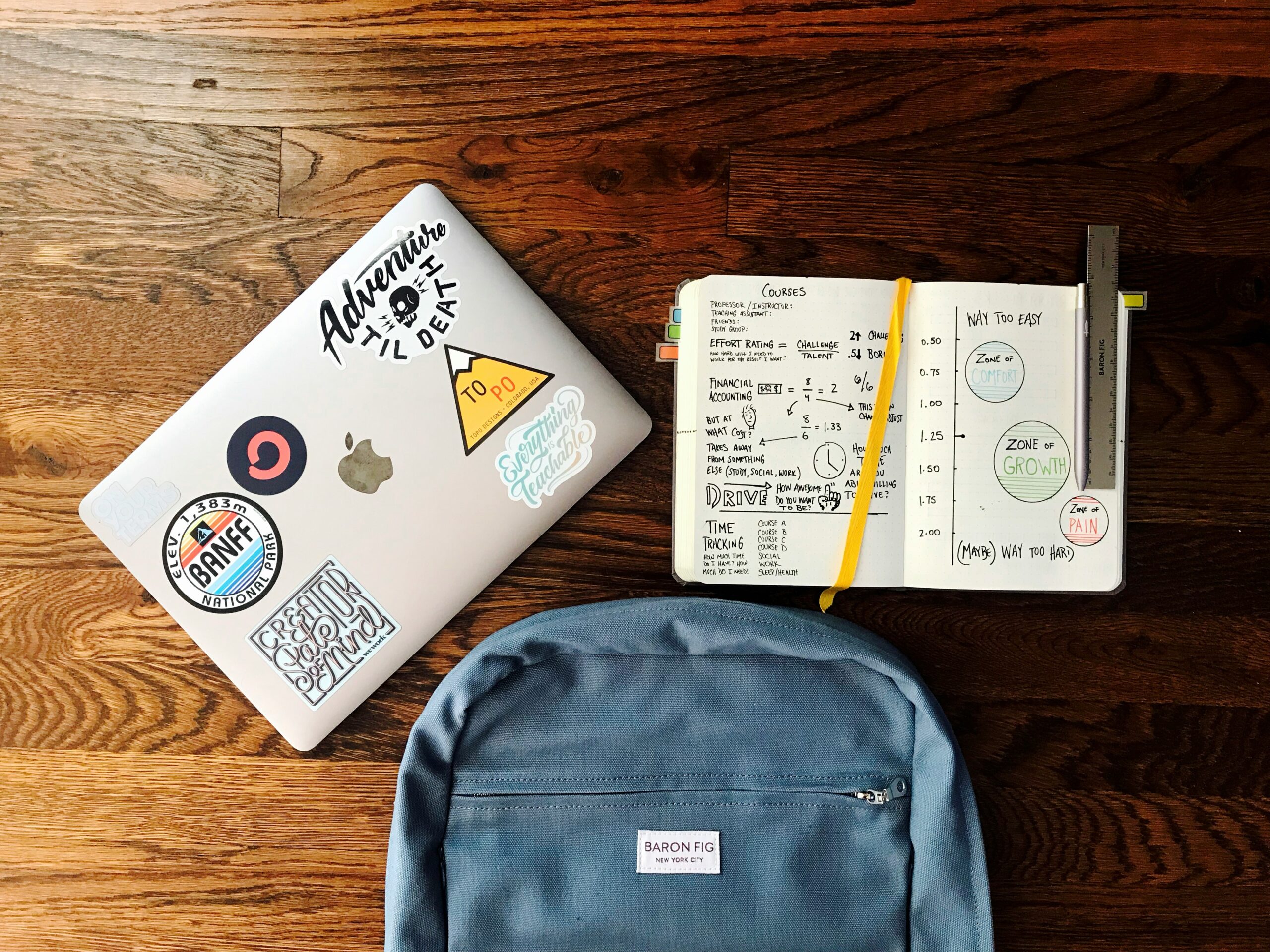

The start of a new semester brings excitement, fresh possibilities, and let’s be honest, a fair amount of stress and anxiety. Whether you’re returning to campus after a break or starting your educational journey, the transition period can feel overwhelming. Between academic pressure, social adjustments, and managing increased responsibilities, it’s easy to push self-care to the bottom of your to-do list.
As therapists who specialize in working with college students and young adults, we at Manhattan Wellness understand the unique challenges that come with student life. Academic performance, social relationships, financial stress, and future uncertainty can create a perfect storm of anxiety and burnout. That is why we’re passionate about helping students develop strong self-care practices and coping strategies that support both academic success and mental well-being.
Starting this semester with intentional self-care practices isn’t selfish, it is strategic. When you prioritize your mental health from day one, you’re setting yourself up for better academic performance, healthier relationships, and greater resilience when challenges arise.
Redefining Self-Care for Student Life
Self-care doesn’t mean bubble baths and face masks, though those are quite nice. For students, effective self-care means developing sustainable habits that support your physical, emotional, and mental well-being while managing a demanding schedule.
Academic Self-Care Strategies
Create Realistic Expectations: Start by honestly assessing your course load and commitments. It’s better to excel in fewer activities than to burn out trying to do everything.
Develop a Sustainable Study Schedule: Rather than cramming, creating consistent daily study periods. Google calendar or a physical calendar is your best friend! Your brain retains information better with regular, shorter sessions than marathon study sessions.
Use Campus Resources: Most schools offer tutoring, writing centers, and academic coaching. Using these resources isn’t admitting weakness, it’s being smart about your success.
Physical Self-Care on a Student budget

Prioritize Sleep: Aim for 7-9 hours per night. Yes, really. Sleep deprivation impacts your memory, mood, and immune system more than you might realize.
Move Your Body: You don’t need an expensive gym membership. Walk between classes instead of taking the shuttle, use campus recreation facilities, or follow free workout videos in your dorm room.
Eat Consistently: Skipping meals to study more actually decreases your cognitive function. Pack healthy snacks and don’t rely solely on dining hall food or ramen.
Emotional and Social Self-Care
Set Boundaries with Social Media: Limit your time doom scrolling and unfollow accounts that make you feel bleh. Comparison truly is the thief of joy.
Cultivate Real Connections: Make an effort to have face to face conversations with friends. Join clubs or activities aligned with your interest, not just what looks good on a resume.
Practice Saying No: You can’t attend every event, join every organization, or help with every project. Learning to decline requests gracefully is a crucial life skill.
Mental Health Maintenance
Check In With Yourself: Schedule weekly “emotional check-ins”. How are you feeling? What’s working? What needs adjustment?
Develop Stress Management techniques: Learn a few quick stress-reduction tools you can use during study breaks. Deep breathing, progressive muscle relaxation, or a brief walk can reset your nervous system.
Know Your Warning Signs: Pay attention to changes in sleep, appetite, motivation, or mood. These can be early indications that you need additional support.
Financial Self-Care
- Create a simple budget
- Take advantage of student discounts
- Find free Campus Activities
Building Support Network

Don’t wait until you’re struggling to reach out for help Connect with:
- Your therapist
- Academic advisers
- Trusted professors or mentors
- Friends who share your values
- Family members who support your goals
College is a time of tremendous growth and change. By using these self-care strategies early in the semester, you’re not just surviving your educational experience, you are thriving in it! You’re developing skills that will serve you well beyond graduation and creating a foundation for lifelong well-being.
If you find yourself struggling with the transition or feeling overwhelmed despite your best self-care efforts, remember that seeking professional support is another important form of self-care. You don’t have to navigate these challenges alone.
BUILD RESILIENCE AND THRIVE DURING YOUR COLLEGE YEARS WITH COUNSELING FOR COLLEGE STUDENTS IN MANHATTAN & BROOKLYN
College can be one of the most exciting and challenging times in your life. While developing good self-care habits is crucial, sometimes you need additional support to navigate the unique pressures of student life. At Manhattan Wellness, we specialize in helping college students develop the coping skills and resilience needed to thrive both academically and personally.
Our therapists understand the specific challenges you’re facing—from academic pressure and social anxiety to relationship issues and future uncertainty. We’ll work with you to develop personalized strategies for managing stress, building confidence, and creating the college experience you want. If you’re ready to prioritize your mental health and set yourself up for success:
- Submit a Contact Form or Email Us at hello@manhattanwellness.org
- Learn More About Our Team of Therapists for College Students and Our Therapy Specialists
- Get Support As You Find Your Path in College!
OTHER THERAPY SERVICES OFFERED IN MANHATTAN, BROOKLYN, & THROUGHOUT NEW YORK
We understand that navigating college in Manhattan can come with many emotions and feelings behind it. This is why our Manhattan therapists offer a range of counseling services. The mental health services we offer are Depression Therapy, Anxiety Therapy, Individual Therapy, Therapy for Self-Esteem and more.Are you feeling like you’re not living the life you want and need to make changes? Let’s talk about it.